

6 Tips To Boost Your Immune System

6 Tips To Boost Your Immune System

Summer is coming to an end and fall is on its way, and unfortunately these next couple of months are known as cold and flu season. It seems as if we come down with acold or the flu when we have the most going on, and perhaps this year, you’ve decided enough is enough, this season you are going to stay healthy.

Although avoiding that yearly cold may seem impossible, there are ways to boost your immune system to either beat or avoid it all together. Take these 6 steps to not only give your immune system a step up, but to avoid catching the flu or any other viruses this fall and winter season.

#1 Avoid close contact with anyone who may be ill

The first and foremost best way to avoid getting sick in the next few seasons is to avoid close contact with anyone that may be ill. If someone says they feel like they are coming down with something, that is often one of the times they are the most contagious. Avoid close contact with them and especially stay away from sharing any drinks or food with that person.

#2 If you are sick, stay home

All too often, we try and continue going about our normal schedules when we are sick. In fact, Americans are notorious for still going to work even when they are sick. If you aren’t feeling well, stay home. Don’t expose anyone else to your illness, and get the rest that your body needs to heal. You will thank yourself later.

#3 Wash, wash, wash your hands

Wash your hands often during the flu season. Anytime you come into contact with items in a public space – such as a grocery store, an airport, a classroom – make sure you wash your hands well after. It is suggested that you wash your hands with anti-bacterial soap for at least 30 seconds with warm water.

#4 Avoid touching your hands to your face (mouth and nose)

Your hands are the most exposed to germs, especially after an outing. You never know what germs are lurking on your hands so even if they are washed, try your best to avoid touching your nose and mouth as these are prime spots for germs to enter your body.

#5 Practice healthy habits

If you are practicing healthy habits, then you are doing your body and especially your immune system a favor. Make sure to get a good night’s rest every night (7 to 9 hours), eat a balanced diet, getting 30 minutes of exercise every day, and drink a lot of water.

#6 Get vaccinated

The most important and best way to ensure you stay healthy and don’t come down with the flu or any other nasty virus this season is to get your flu shot. If you are interested in other methods rather than the flu shot, then you can ask your doctor about flu antiviral drugs that can also help prevent and treat the flu. To get your flu shot this year with little to no wait by a caring medical team, come see us at Urgentology or come in to talk to one of our doctors about other options such as antiviral drugs.

If you feel like you are coming down with a cold or flu, the first thing you should do is get to a doctor in Arlington as soon as you can. The quicker you catch and address your virus or bacterial infection, the quicker you will be able to heal yourself of it.

For convenient hours, a friendly environment, and a caring and knowledgeable staff, come see us at our Urgent Care in Arlington. While walk-ins are welcome, feel free to call us for any questions or appointments.

Important: If you have a life-threatening emergency, please call 911 or go to your nearest Emergency Room. Information in this site is not intended to be used as a diagnosis for your symptoms. If you experience any of these symptoms, please seek medical attention or visit Urgentology Care.

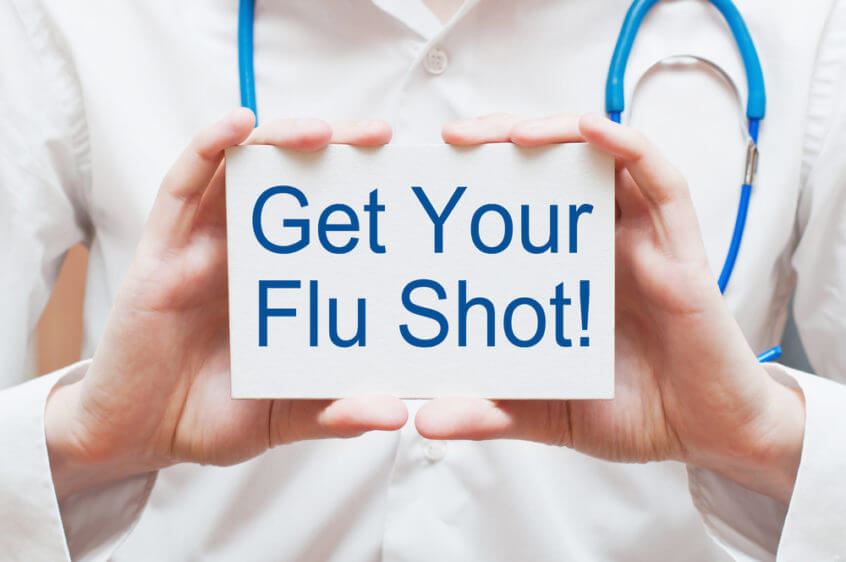
Why It’s Important to Get Your Flu Shot

Why It’s Important to Get Your Flu Shot

Flu season is upon us and it is the time of the year we should boost our

immune system to protect us from these contagious viruses. Although seasonal

flu viruses circulate throughout the year, the fall and winter period

is considered the peak of flu activity and is commonly referred to as the

flu season. There are daily actions we can take to reduce the risk of catching

the flu, however, according to the Centers for Disease Control and Prevention

(CDC), flu vaccinations have proven to be the most effective. Unfortunately,

less than half of adults in the United States have received a flu vaccine

in recent years. That’s why it’s important to educate ourselves

on the risks of flu and the best ways to prevent it.

  • The flu is much more serious than many people realize – According

    to the CDC, more than 200,000 people are hospitalized every year because

    of the flu. The flu can actually be quite deadly, with annual flu-related

    deaths ranging from 3,000 to 49,000 people in the United States. Some

    individuals are at a much higher risk of getting the flu, including:

    • Individuals with chronic conditions, like asthma and diabetes
    • Individuals with heart disease
    • Adults over the age of 65
    • Pregnant women
    • Individuals who have HIV or AIDS
  • It is the best way to prevent seasonal illness – Getting the flu

    shot is your best chance of avoiding illness caused by flu viruses. The

    CDC reports that the flu vaccine reduces a person’s risk of getting

    the illness by 61 percent. While the effectiveness of the flu shot can

    vary from year to year, the vaccination is the most important tool currently

    available to prevent the flu.

  • Last year’s flu shot will not protect you –Unfortunately, flu

    viruses are constantly changing, which is why the formulation of the flu

    vaccine is reviewed every year to ensure the vaccine is effective on current

    strains of viruses. Additionally, the body’s immune response to

    the vaccine will gradually decline with time. That’s why it is important

    to get the flu vaccine every year.

  • The flu shot is not for everyone – Certain groups of people should

    not take the flu shot due to their age, health, and allergies. Consult

    your doctor before getting the flu shot.

No need to wait in lines, Urgentology Care offers the flu vaccination in

our urgent care in North Arlington. We are open 7 days a week at convenient

times. Here at Urgentology, your health and wellness matters to us, which

is why we offer flu shots to people of all ages. Give us a

call for more information, or stop by our North Arlington clinic today.

Important: If you have a life-threatening emergency, please call 911 or

go to your nearest Emergency Room. Information in this site is not intended

to be used as a diagnosis for your symptoms. If you experience any of

these symptoms, please seek medical attention or visit Urgentology Care.

Common Vaccine Myths and Why They’re Safe

Common Vaccine Myths and Why They’re Safe

Vaccines have found themselves in the news a lot lately, but many people have misconceptions about their safety and effectiveness. Thanks to vaccination, measles was eliminated in the United States by the year 2000. Unfortunately, the disease is back, and many believe anti-vaccination efforts are to blame. In 2018 alone, there were 17 measles outbreaks that affected nearly 400 people in the U.S.In 2019, there have already been 228 measles cases in 12 states throughout the country.

We bring this up because it is just one example of a vaccine-preventable disease that is making a comeback in the U.S. According to experts, one of the main reasons for this is the number of myths surrounding the safety and efficacy of vaccines. These myths have directly impacted the rising number of disease outbreaks and declining vaccination rates. Furthermore, parents have become increasingly fearful and concerned about vaccinations, choosing not to vaccinate their children as a result. Unfortunately, this is the opposite of what should be done. While the Centers for Disease Control and Prevention (CDC) vaccination schedule for children is certainly intimidating (14 vaccines by the age of 6), it is set that way to protect your children from deadly disease.

Let’s now look at the most common vaccine myths to help you better understand that vaccinations are not the enemy, but rather the hero:

Myth #1: Vaccines can cause autism – One of the most common myths we hear is that vaccines can cause autism. This idea was first introduced in a 1997 study by disgraced former surgeon, Andrew Wakefield. His study claimed common vaccines such as those for measles, mumps, and rubella (MMR) were linked to an increase in autism in children. It was later discovered he was attempting to patent his own MMR vaccine for personal profit while attempting to discredit current MMR vaccine practices. The Wakefield study has since been discredited by all professional medical institutions due to unethical practices and fabrication of data and Andrew Wakefield was barred from practicing medicine. While the cause of autism is still widely unknown, recent research shows that symptoms of autism show up well before they are vaccinated, and other studies have suggested it develops in utero.

Myth #2: Vaccines are harmful – Many people also believe that vaccines contain harmful ingredients, particularly thimerosal, a mercury containing preservative. There are no reputable scientific studies which link thimerosal and autism or other harmful conditions. However, in 1999 the FDA removed thimerosal from all childhood vaccines as a precaution. Thimerosal is still used in some non-childhood multi-dose vaccines, so if you are concerned about it, simply ask for a non thimerosal containing vaccine.

Myth #3: Natural immunity is safer than vaccine-supported immunity – It is true that natural immunity (which happens when you catch a disease, get sick, and heal naturally) results in a higher immunity to the disease than a vaccination. However, this approach can be very dangerous and is not recommended by most medical professionals. Many diseases such as measles can kill or cause permanent damage before natural immunity is achieved. Vaccines are used to prevent the disease from even occurring.

Myth #4: Vaccines aren’t worth the risk – Although many parents of today are opting to take their chances and leave their child unvaccinated, this is extremely dangerous. A common misconception is that vaccines just aren’t worth the risk, but we have seen zero studies published in support of this. There is no information out there that is in line with the notion that vaccines lead to long-term health problems.

Vaccines were created to protect the human population and keep preventable diseases from taking the lives of millions. We have come a long way over the last several decades, but now anti-vaccine efforts are resulting in deadly diseases making a comeback. To learn more about the importance of vaccines, please contact Urgentology Care today.

Important: If you have a life-threatening emergency, please call 911 or go to your nearest Emergency Room. Information in this site is not intended to be used as a diagnosis for your symptoms. If you experience any of these symptoms, please seek medical attention or visit Urgentology Care.

Flu Shot Myths Debunked

Flu Shot Myths Debunked

To get the flu shot or not, that is the question. Or is it? There has been

a lot of controversy surrounding the flu shot in recent years, as many

people are opting to forgo the shot and take their chances. Unfortunately,

this year’s influenza breakout is one of the worst we’ve seen.

While many people think it is the flu virus that is causing all the problems,

the fact is that people not getting the flu shot is also a problem. This

is why we thought it was time to dispel some of the most common flu shot

myths. At Urgentology Care, your health and wellness is a top priority

of ours. We want to make sure you have all the information necessary to

make educated choices about you and your family’s health. We offer

flu shots in our Arlington clinic and are here to answer any questions

you may have, in the event you are still unsure. With that in mind, let’s

now look at the most common flu shot myths and why they are just that– myths:

Myth #1: The flu shot can give me the flu. False. Simply put, this is not

true, even though it is one of the most widespread misconceptions about

the flu shot. Flu shots include inactivated flu proteins, but it is impossible

for them to give you the flu. Many people experience minor muscle soreness

and cold symptoms after the flu shot, but this is not to be mistaken for

the flu itself. It can take up to two weeks for the vaccine to work, so

it is possible for you to get the flu in this time period. In the event

you get the flu right after getting the vaccine, chances are you were

already exposed to the virus prior to getting the shot.

Myth #2: The flu shot doesn’t work. False. This is another common

rumor that is spread about the flu virus. According to research, the effectiveness

of the flu vaccine is about 30-80 percent. The reason for the wide gap?

The vaccine is developed about 6-9 months before flu season, which can

make it difficult to predict the most virulent strains during flu season.

Myth #3: If you’ve gotten the flu shot once before, you are protected.

False. Each year the flu virus is different, which means you must get

a new vaccine every year in order to be protected from this season’s

particular strain.

Myth #4: If you’re healthy, you don’t need the flu shot. False.

While people with weak immune systems and those who are chronically ill

are undoubtedly more at risk of getting the flu, even healthy people can

benefit from being vaccinated.

Myth #5: Children and pregnant women don’t need the flu shot. False.

According to the Advisory Committee on Immunization Practices, all individuals

6 months older should get vaccinated for the flu shot every year, including

pregnant women.

To learn more about the flu or if you have additional questions about ,

please contact Urgentology Care today.

Important: If you have a life-threatening emergency, please call 911 or

go to your nearest Emergency Room. Information in this site is not intended

to be used as a diagnosis for your symptoms. If you experience any of

these symptoms, please seek medical attention or visit Urgentology Care.
Why People Are Choosing Urgent Care Over Emergency Rooms

Why People Are Choosing Urgent Care Over Emergency Rooms

The popularity of urgent cares has grown significantly in the last ten years and new care centers have been popping up on more and more corners. People all over are starting to choose urgent cares over appointments with their general practitioners, and especially over visits to the emergency room in Arlington.

What many people don’t realize is that their neighborhood urgent care is capable of treating them for the urgent issue that they are visiting the emergency room for. Of course, each visit is situational and it is dependent upon your injury or sickness as to where you should go, and in life-threatening situations, you should call 911 or go to your nearest emergency room. However, for most general issues or urgent health concerns going to your nearby urgent care in Arlington may be your best option.

Availability

Although not all urgent cares are open up 24 hours, their hours are still immensely flexible. All are open much longer and more often than your typical doctor’s office, while our clinic Urgentology Care is open until 9:00 pm every weekday and until 2:00 pm every Saturday and Sunday. Although your close by emergency room in North Arlington may be open 24 hours a day, if your medical problem falls between our hours it is going to be your best option still in terms of availability. ER’s are known to be quite crowded and generally have significantly longer wait times than urgent cares. While emergency room wait times can take hours, urgent care wait times often don’t take longer than 15 minutes. You will also not only spend more time in the waiting room at the ER but also in the room where you are being seen.

Affordability

Trips to the emergency room are typically more costly than that of an urgent care clinic. A normal ER visit costs an average of $1,000 or more, whereas a trip to an urgent care will usually only be $50 to $100. Even if your insurance is involved, your copay will also end up being less expensive than that of an emergency room visit. Here at Urgentology Care, we accept all of the major insurance policies. If we don’t accept your insurance, regardless, we are known to provide highly competitive and affordable rates for our patients.

Accessibility

With the increasing popularity of urgent cares, they have multiplied greatly in quantity. You will likely be able to find one within 10 minutes of your house or less, whereas sometimes your nearest emergency isn’t so close, or nearly as easy to get to.

Experience

With easy accessibility, availability, and affordability, we are sure those are reasons enough to increase the quality of your experience in choosing an urgent care over visiting the emergency room. However, here at Urgentology, we are a family owned care center that aims to treat our patients with the same kind of care that we would treat our own families with. We believe our prioritization of our patient’s experience with us sets the bar quite high when it comes to urgent care centers all over.

As leaders in the urgent care industry, we understand the importance of you and your family’s health care. If you are suffering from any non-life-threatening illnesses or injuries come see us today, and of course, walk-ins are welcome. If you have any more questions or would like to set up an appointment, please don’t hesitate to contact us today.

Important: If you have a life-threatening emergency, please call 911 or go to your nearest Emergency Room. Information in this site is not intended to be used as a diagnosis for your symptoms. If you experience any of these symptoms, please seek medical attention or visit Urgentology Care.

Strep Throat or Sore Throat: What’s the Difference?

Strep Throat or Sore Throat: What’s the Difference?

It’s safe to say that everyone has woken up in the morning with a sore throat at least once during their lifetime. But how do you know if it’s just a sore throat, or if it’s strep throat? Unfortunately, it is rather difficult to distinguish between the two on your own. There are numerous reasons for this, including the fact that the signs and symptoms of a sore throat are often the beginning of strep throat, which is caused by the strep bacteria.

What is the Difference Between a Sore Throat and Strep Throat?

Urgentology Care offers diagnosis and treatment for both a sore throat and strep throat. Below are a few of the major differences between the two:

  • Both a sore throat and strep throat are very common, but strep throat is typically more serious.
  • Strep throat is a contagious infection caused by group A Streptococcus bacterium and usually affects children between the ages of 5 and 15.
  • Anyone is at risk of getting strep throat.
  • A sore throat can be caused by numerous different environmental factors in addition to viral or bacterial infections.

Symptoms of Sore Throat

To understand the difference between a sore throat and strep throat, there are a few things to keep in mind. For starters, a sore throat usually comes along with pain, scratchiness, or irritation of the throat that is worse with swallowing. In most cases, a sore throat is caused by a viral infection like a cold or the flu and it usually resolves on its own over time. Some of the most common symptoms of a sore throat include:

  • Pain in the throat that worsens with swallowing or talking
  • Difficulty swallowing
  • Scratchy or itchy sensation in the back of the throat
  • Sore or swollen glands in the neck or jaw
  • Swollen, red tonsils
  • Hoarseness
  • Earache

A sore throat can be joined by a fever, cough, runny nose, sneezing, body aches, headache, nausea, or vomiting. If you are experiencing these symptoms and they are not getting better, we encourage you to come into our Arlington urgent care center right away. Our team of doctors is dedicated to helping you get better, regardless of what your symptoms are. If your child has a sore throat and is showing the following severe signs, please bring them to Urgentology Care right away:

  • Difficulty breathing
  • Difficulty swallowing
  • Unusual drooling

Symptoms of Strep Throat

Strep throat is caused by Group A bacteria which live in the nose and throat and can be easily spread to other people. While not everyone gets infected by the Group A bacteria, those that do develop the highly contagious strep throat may display the following symptoms:

  • Sore throat that comes on out of nowhere
  • Pain when swallowing
  • Fever
  • Red and swollen tonsils
  • Tiny red spots on the roof of the mouth
  • Swollen lymph nodes
  • Headache
  • Stomach pain
  • Nausea or vomiting

For severe strep throat symptoms, we may offer IV treatment to provide for quick relief. We would target the bacteria faster with antibiotics and steroids if needed, especially for the patient population presenting with difficulty or painful swallowing, which is usually due to acute tonsillitis. Strep throat is diagnosed using a quick strep swab that allows us to look for indicator molecules that belong to Group A Streptococcus. If the test comes back positive, we will likely prescribe antibiotics that should get you feeling better within 48 hours.

We offer diagnosis and treatment for both sore throats and strep throat here at Urgentology Care. If you have any of the above symptoms, please come into our urgent care clinic right away.

Important: If you have a life-threatening emergency, please call 911 or go to your nearest Emergency Room. Information in this site is not intended to be used as a diagnosis for your symptoms. If you experience any of these symptoms, please seek medical attention or visit Urgentology Care.

Strep Throat: Signs, Symptoms, and Treatment

Strep Throat: Signs, Symptoms, and Treatment

Strep throat is a very common, contagious infection that is caused by group A

Streptococcus bacteria. While it most commonly affects children between the ages of 5 and 15,

anyone is at risk. Because strep throat shares many common symptoms with

a sore throat and other illnesses, it is imperative you come into our

urgent care clinic for a proper diagnosis. This requires a rapid strep

test or throat culture, in most cases.

If left untreated, strep throat can lead to more serious complications,

including rheumatic fever and kidney inflammation. This is why it is so

important you seek treatment at our urgent care clinic. A strep test is

a very simple, quick procedure that will give us the information we need

to treat you or your child with antibiotics. Since this condition is contagious,

the last thing you want to do is ignore the symptoms, in turn getting

other people sick. In most cases, strep throat is an infection that affects

the throat and tonsils caused by group A strep bacteria. This type of

bacteria lives in the nose and throat and can easily spread to others.

However, not everyone who is infected with group A strep show symptoms.

Symptoms of Strep Throat

There are many different symptoms of strep throat, some of which will vary

from person to person. If you have strep throat, you may develop a few

or all of the following symptoms:

  • Sore throat
  • Difficulty swallowing or pain when swallowing
  • High fever
  • Chills
  • Fatigue
  • Headache
  • Red and swollen tonsils
  • Swollen lymph nodes in the front of the neck
  • Nausea
  • Vomiting
  • Loss of appetite
  • Abdominal pain

These symptoms can take anywhere from three to five days to show up after

exposure. If you have been around someone that you know has strep throat

and you notice any of the above symptoms, come into Urgentology Care right

away for a strep test. The sooner we catch the disease and get you treatment,

the faster your recovery will be.

Causes of Strep Throat

As mentioned, strep throat is easily spread from one person to another,

either from saliva or secretions of the group A strep bacteria. This can

happen through coughing, sneezing, and even by touching other people or

objects that have the bacteria on the surface. People who have a compromised

immune system or are undergoing chemotherapy are at a higher risk, as

are very young babies and pregnant women. If someone in your household

or place of work has strep throat, do your best to avoid sharing items

with them and be sure and wash your hands more than usual.

Treatment of Strep Throat

The most effective treatments for strep throat include antibiotics such

as amoxicillin, penicillin, clindamycin, clarithromycin, and azithromycin

(known as the Z-pack). The urgent care physicians here at Urgentology

Care can prescribe you with any of the above, ensuring your case of strep

throat is treated as soon as possible. It is important to note that you

are no longer contagious after 24 hours of taking the antibiotic. However,

this is only the case if you take your antibiotic prescription exactly

as instructed by your urgent care doctor.

Strep throat is different for children and adults, but both require treatment.

To learn more or if you suspect you or your child has strep throat, please

come into Urgentology Care today.

Important: If you have a life-threatening emergency, please call 911 or

go to your nearest Emergency Room. Information in this site is not intended

to be used as a diagnosis for your symptoms. If you experience any of

these symptoms, please seek medical attention or visit Urgentology Care.

6 Tips for Fall Allergy Relief

6 Tips for Fall Allergy Relief

The leaves have turned and there is a beautiful crisp in the air, so it

must be fall! While fall is a favorite season for many, it can be straight

misery for those who suffer from allergies. If you are a sneezing, congested

mess this time of year, chances are you aren’t as excited about

all those pumpkin spiced lattes as some people are. If you are going to

enjoy fall at all this year, you need to figure out how to get your allergies

under control. Thankfully, there are many steps you can take to control

your fall allergies. From medications to knowing and avoiding your triggers,

let’s look at six ways to find relief from fall allergies:

  • Know and Understand Your Triggers – The first thing you should do when you start experiencing allergy

    symptoms is figure out what your triggers, or allergens, are. One of the

    biggest culprits of fall seasonal allergy problems across the United States

    – including here in Texas – is ragweed. Ragweed is a very

    stubborn plant that grows in fields, along roadsides, and well, everywhere.

    Ragweed and other famed allergen – pollen – produce billions

    of grains in a season, any of which can travel and lead to problems for

    millions. Take a look at pollen levels and do your best to keep outdoor

    activities to a minimum if it’s a high allergen day.

  • Keep Air Out – Unfortunately, one of the best ways to control your fall allergies

    is by keeping your house closed up. We all love a little fresh air, but

    for people with allergies, this can make life miserable. Keep your house

    as clean as you can and shut all windows so pollen, ragweed, and any other

    fall allergens don’t get in.

  • Wear the Right Clothing – If you don’t want allergies to control your life, it is important

    you wear protective clothing when going outside. Wear long sleeves, pants,

    a hat, and sunglasses to keep pollen from landing on your skin, hair, and eyes.

  • Try a Neti Pot – Many allergy sufferers swear by nasal irrigation via neti pot

    to control their allergies. This is a great way to rinse any lingering

    allergens from your nasal passages, working to relieve congestion at the

    same time. If you aren’t into a neti pot, there are other options,

    such as bulb syringes, that will get the job done. We recommend rinsing

    out your nasal passages several times a day during the height of allergy season.

  • Don’t Be Afraid to Medicate – We understand wanting to go the natural route, but there is no

    shame in turning to medication if your allergies become unbearable. If

    they are interfering with your daily activities, quality of life, or disrupting

    your sleep, it’s time to talk to your Arlington allergy relief doctor

    and see what your options are.

  • See a Doctor – Suffering through allergy season does not make you a hero. If you’ve

    tried all the at-home remedies you can, and you are still dealing with

    allergies, it’s time to talk to a doctor. Our Arlington urgent care

    doctors understand how miserable allergies can be, and we want to help you.

Don’t let fall allergies ruin the best time of year. Come into our

Arlington urgent care center today to learn about your options for allergy relief.

Important: If you have a life-threatening emergency, please call 911 or

go to your nearest Emergency Room. Information in this site is not intended

to be used as a diagnosis for your symptoms. If you experience any of

these symptoms, please seek medical attention or visit Urgentology Care.

Halloween Health and Safety Tips

Halloween Health and Safety Tips

Halloween is a festive, fun holiday for children and adults alike. There is something spirited about this time of year that brings out the little kid in all of us. From the countless parties to costumes and yummy treats, it’s no wonder many of us look forward to the spooky holiday. However, Halloween can also be quite dangerous and brings many people to an urgent care. This year, we encourage you to plan ahead and educate yourself and your family about how to stay safe on Halloween. This includes being mindful when out trick-or-treating as well as opting for healthy snacks rather than only junk food.

Here at Urgentology, we are committed to helping all of our patients stay safe and healthy this Halloween. It is estimated that 41 million children go trick-or-treating every year across the nation, and more than 4,000 injuries are reported on Halloween night. Unfortunately, an estimated 70 percent of all Halloween accidents happen away from intersections and designated crosswalks. This is why it is so important to discuss safety with your children before they head out trick-or-treating. In addition to trick-or-treating safety tips, it is important to get in some physical activity and really focus on safety during this busy holiday season.

We want to help you stay as safe and healthy as possible, so here are a few tips to keep you on track this Halloween:

  • Never Trick-or-Treat on an Empty Stomach – One of the biggest mistakes kids make is trick-or-treating on an empty stomach. To avoid a tummy ache or a trip to our Arlington urgent care center, make sure your kids have a big, healthy meal before heading out. This will also help reduce their candy intake, which is a win-win!
  • Don’t Go Overboard on Candy – While binging on candy is often a part of Halloween, it doesn’t have to be the biggest part. Start by setting limits for how much candy your kids can eat this Halloween, as the last thing you want to deal with is tooth decay because they ate too much.
  • Get Your Flu Shot – One of the best ways to stay healthy this Halloween season is by getting your flu shot. You can get your flu shot right here at Urgentology and you won’t have to worry about it for the rest of the fall and winter.
  • Be Safe When Trick-or-Treating – Whether you are sending your kids out to trick-or-treat with others or you are joining them, it is important for everyone to be careful when walking the streets. Teach your kids to obey traffic laws and pay attention to your surroundings. Make sure your kids use the buddy system and never trick-or-treat alone.
  • Get Some Exercise – Halloween marks the first holiday of the season, and it’s important that exercise doesn’t fall by the wayside. Instead of driving around on Halloween, get some exercise and walk around your neighborhood. This also sets a great example for your kiddos!

If you or your loved ones are injured this Halloween, please do not hesitate to come into our Arlington urgent care clinic. While we hope you have a safe and healthy holiday, we also want you to know we are here for you, should you need medical assistance.

Important: If you have a life-threatening emergency, please call 911 or go to your nearest Emergency Room. Information in this site is not intended to be used as a diagnosis for your symptoms. If you experience any of these symptoms, please seek medical attention or visit Urgentology Care.