
Everything You Need to Know About Cold and Flu Season

Everything You Need to Know About Cold and Flu Season

As the temperature drops, so does our immunity. This is the reason why fall and winter are known as the cold and flu seasons. These months create a favorable environment for spreading cold and flu viruses. Colds and flu symptoms make us feel terrible and lower our productivity, but there are ways to fight back. In this blog, we will discuss everything you need to know about the cold and flu season, including why these illnesses spike in the winter months, the benefits of getting a flu shot, and remedies to help you feel better.

What Causes Cold and Flu Cases to Spike as the Weather Cools?

The main reason cold and flu illnesses increase during fall and winter is the temperature and humidity change. Research has shown that these viruses can thrive in colder environments, and low humidity can cause nasal passages to dry out, making it easier for viruses to take hold. Furthermore, scientists suggest that during cold weather, people tend to spend more time indoors, which puts them in closer contact with each other, and that close proximity increases the likelihood of spreading germs.

What Is the Best Way to Prevent the Flu?

One of the best ways to prevent the flu is by getting vaccinated. The flu shot has been shown to help prevent the flu by as much as 60%. The vaccine is particularly effective for young children, pregnant women, the elderly, and people with existing medical conditions. For those with reservations about the vaccine, consider this: getting vaccinated not only protects you but also helps prevent the spread of the virus to others, especially the vulnerable population.

Remedies to Ease the Symptoms of the Flu or Cold

In case you still get the cold or flu, some remedies can alleviate symptoms. One of the most effective ways is to stay hydrated and drink fluids like water, juice, and soup. Water is beneficial to clear air passages and warm fluids like soup and tea will make you feel comfortable. Another method is washing your hands often with soap and water, avoiding touching your face, and covering your mouth when you cough or sneeze.

For a stuffy or runny nose, try a saline nasal spray to clear your nasal passages. To soothe a sore throat, gargle with salt water.

Over-the-counter medications like acetaminophen or ibuprofen may help to relieve fever, aches, and pains. For coughs, consider trying a cough suppressant like dextromethorphan. Rest is also important for healing from the cold or flu. Stay home and rest until you recover fully.

Take Care of Yourself This Season!

No one wants to be sick, especially not during the cold and flu season when it seems like every sneeze and cough can be dangerous. But understanding why these illnesses spike and taking steps to prevent them can reduce the chances of getting sick. Getting vaccinated is an essential step in stopping the spread of the flu, but it’s not just about you: it’s about protecting the larger community, especially those who are vulnerable to severe flu symptoms.

And if you get sick with a cold or flu, remedies are available to help you feel better. Stay warm, drink plenty of fluids, get plenty of rest, and don’t forget: wash your hands often.

If you are experiencing flu-like symptoms, our professionals at Urgentology Care can help you feel better in no time! Contact us at (817) 799-7273.

What Causes Chronic Bronchitis?

What Causes Chronic Bronchitis?

Do I Have Chronic Bronchitis?

Bronchitis is a common condition that causes our breathing tubes (bronchi) to become inflamed. Typically, the condition forms just a few days after a cold or the flu and is most known to cause a dry cough and congestion.

However, did you know that your bronchial tubes could become inflamed long-term? Keep reading to learn more about the chronic form of bronchitis and when to seek treatment.

Diagnosing Chronic Bronchitis

Bronchitis can become a chronic condition if a patient has a cough and mucus most days for at least 3 months a year, for 2 years in a row. A doctor must also rule out other conditions that have similar symptoms. To diagnose chronic bronchitis, your doctor will perform a pulmonary function test, and may also order a chest X-ray or CT scan.

Other common symptoms of chronic bronchitis include:

  • Wheezing.
  • Chest discomfort.
  • Swollen feet.
  • Bluish lips and fingernails.
  • Heart failure.

Patients with chronic bronchitis also experience acute cases of bronchitis more frequently and tend to get other infections often. Chronic bronchitis patients are also grouped into having chronic obstructive pulmonary disease (COPD) as well.

Risk Factors of Chronic Bronchitis

The biggest risk factor for chronic bronchitis is smoking but is common with patients that have other lung diseases, such as:

  • Asthma.
  • Pulmonary emphysema.
  • Pulmonary fibrosis.
  • Sinusitis.
  • Tuberculosis.
  • Upper respiratory infections.

Chronic bronchitis can also lead to further complications, such as a disability, narrowing of your breathing tubes, and trouble breathing.

When to Seek Treatment

If you believe you have bronchitis, you can seek a diagnosis from our team, though acute cases tend to go away on their own. However, if your symptoms worsen, you may have a chronic case and should visit an urgent care center for treatment.

If you are experiencing the following, please come visit our team at Urgentology Care today:

  • Symptoms last more than three weeks.
  • Mucus is discolored or has blood in it.
  • You are having difficulty sleeping because of your symptoms.
  • You have a fever higher than 100.4 F.
  • You are experiencing shortness of breath or wheezing.

To book your appointment or for more information, contact our team today: (817) 799-7273

COVID-19 vs. Spring Allergies [Infographic]

COVID-19 vs. Spring Allergies [Infographic]

Allergies vs COVID-19 Infographic

Allergies or COVID-19: Diagnosing Your Symptoms

Allergy season is upon us once again, and we’re still confronting the coronavirus (COVID-19) pandemic here in Texas. One major concern we’re seeing is that patients are experiencing symptoms but are unsure if it’s allergies or the coronavirus.

While both share similar nasal and respiratory symptoms, they’re very different conditions. Keep reading to learn how to tell the difference, and how our team at Urgentology Care can help with both.

Do I Have Allergies?

Allergies are one of the most common illnesses that plague people when the seasons change — especially in the spring. Patients with allergies often experience symptoms after direct exposure to an allergen (such as food, pollen, or dust). Allergies are an immune response to an allergen, which our immune system views as a threat.

Over time, allergy symptoms can become worse and present themselves very similarly to coronavirus. Patients with allergies typically experience no fever as patients with COVID-19 do.

However, patients with allergies typically experience:

  • Runny nose.
  • Sneezing, or stuffiness.
  • Itchy, watery, or red eyes.
  • Coughing and wheezing.

Read More: Common Allergy Symptoms: Ways to Prevent or Treat Them

Do I Have COVID-19?

COVID-19 is a respiratory illness caused by exposure to the SARS-CoV-2 strain of coronavirus or its variants. Patients who test positive for COVID-19 may either be asymptomatic (show no symptoms) or may experience a range of mild to severe symptoms within 14 days of exposure to novel coronavirus.

Patients with COVID-19 typically experience symptoms more closely related to the seasonal flu, including:

  • Fever or chills
  • Cough
  • Shortness of breath
  • Muscle or body aches
  • Headache
  • New loss of taste or smell
  • Sore throat
  • Congestion or runny nose
  • Nausea or vomiting
  • Diarrhea

When to Seek Treatment

Allergies, similarly to COVID-19, can be diagnosed with testing. After treatment, symptoms often reduce or go away completely. Patients may be prescribed a daily allergy pill or may be recommended for further treatment such as allergy shots and drops.

You can visit an urgent care for treatment to alleviate your symptoms and rule out any other serious conditions, such as the flu or COVID-19.

The following are emergency warning signs of COVID-19 that warrant immediate medical attention:

  • Trouble breathing.
  • Persistent pain or pressure in the chest.
  • New confusion.
  • Inability to stay awake.
  • Bluish lips or face.

Seek Relief for Your Symptoms at Urgentology Care

If you feel that you may be experiencing symptoms and are unsure if you have allergies or COVID-19, stop by our clinic for an assessment. We can test you for COVID-19 or allergies and provide a proper treatment plan.

To speak to one of our team members, contact us today at: (817) 799-7273

Protecting Your Family From COVID-19

Reducing Your Risks of COVID-19 Exposure

Your risk of catching COVID-19 or any other viral infection increases in crowded cities or communities, increasing the risk of spreading the disease to your loved ones. As cases surge across the U.S., it’s important for Texans to keep up with preventative measures to reduce their chances of contracting COVID-19.

Healthy Habits to Protect the Entire Family

When possible, it’s best to keep at least 6 feet of distance between you and others when out in public. Also, follow your county’s guidelines for school closures, travel alerts, and public ordinances. There are several other ways you can keep your family healthy, safe, and stop the spread of COVID-19 and any other virus, including:

  • Avoiding touching your face, especially your mouth and eyes.
  • Wearing a face covering over your mouth and nose.
  • Washing your hands frequently with hot water and soap.
  • Covering your sneezes and coughs when out in public.
  • Cleaning high-touch surfaces frequently, such as counters, doorknobs, and faucets.
  • Receive your COVID-19 vaccination when available in your area.

Distinguishing COVID-19 From the Seasonal Flu

Flu season lasts from November through March in the U.S., with cases typically peaking around February. As COVID-19 cases continue to spike here in Texas at the same time, it’s essential to recognize the differences between these illnesses and seek treatment and testing if you feel sick.

Symptoms of COVID-19

The coronavirus (COVID-19) is a respiratory infection caused by the SARS-CoV-2 virus. Patients who contract COVID-19 either experience a range of moderate to severe symptoms or may appear to be asymptomatic (no signs of symptoms).

The most common signs of COVID-19 are similar to the flu and include:

  • Sore throat
  • Chills
  • Stuffy or runny nose
  • Diarrhea
  • Fatigue
  • Fever
  • Nausea or vomiting
  • Muscle aches
Emergent Symptoms of COVID-19

Most of the symptoms of COVID-19 are best treated at home with plenty of fluids and rest. However, the following are signs you should seek emergency treatment as soon as possible:

  • Constant pain or pressure in your chest.
  • Trouble breathing.
  • Bluish lips or face.
  • New loss of taste or smell.

Patients considered high-risk are advised to remain at home and to avoid public hotspots. If you believe you are sick, don’t delay in getting tested and seeking treatment.

Symptoms of the Seasonal Flu

Influenza (the seasonal flu) is also a respiratory illness caused by the influenza virus that can be mild to severe. Similarly to COVID-19, symptoms of the flu can vary in their severity, but some of the most common signs of the seasonal flu include:

  • Sore throat
  • Chills
  • Stuffy or runny nose
  • Fever
  • Cough
  • Diarrhea
  • Fatigue
  • Headaches
  • Muscle or body aches
  • Vomiting

COVID-19 Testing Options atUrgentology Care

If you do feel sick, our staff has testing options available every day of the week. Learn more about the COVID-19 tests we offer:

Rapid Antigen Tests

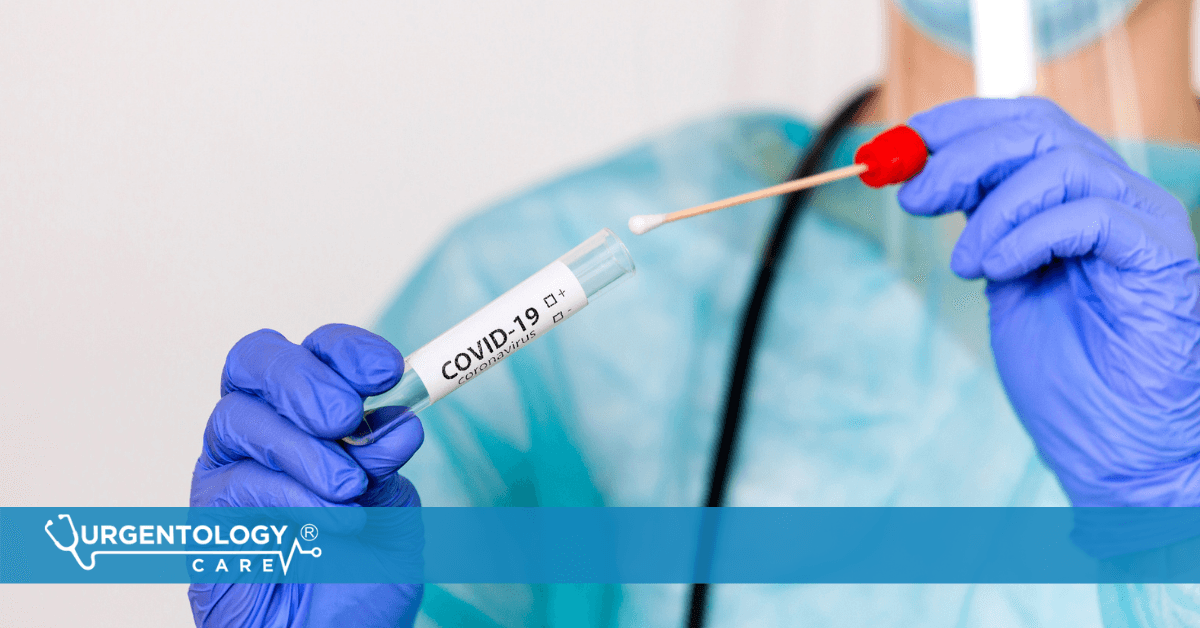
For quick testing, the rapid antigen test is appropriate for those thought to be actively infected with COVID-19. This test is administered via a nasal or nose and throat (nasopharyngeal) swab, and tests come back within 15 minutes.

Molecular PCR Tests

The PCR test is considered the ‘gold standard’ of COVID-19 testing, as it’s the most accurate way to tell if a patient currently has the coronavirus. This test is administered via a nasopharyngeal swab, and results take 3-5+ days.

Antibody Tests

Our COVID-19 antibody test can tell if someone recently tested positive for COVID-19 exposure but is not currently sick. If a patient was exposed, they will have coronavirus antibodies in their blood. To administer this test, we take a sample of blood. Results typically come back in 1-2 days.

Employer COVID-19 Testing at Urgentology Care

Healthcare workers, first responders, food service workers, and local businesses have all supported our community through the COVID-19 pandemic without the option to work from home. Now that more workforce members are being recalled, employers need to offer their staff access to easy testing options to protect themselves and their loved ones.

Urgentology Care is pleased to announce our employer COVID-19 testing program. Read on to learn how to provide you and your entire team some peace of mind:

Onsite and Clinic Testing

To make testing easier for you and your employees, we offer onsite and in-clinic testing options. Our corporate COVID-19 testing is administered via contract, and upon signing up, we will discuss whether you want your employees to come into our clinic for testing or if you want us to come to you.

While onsite testing reduces downtime, we’re happy to set up appointments at our clinic for your employees as well.

COVID-19 and Flu Treatment in Urgentology Care

In light of COVID-19 and the flu season occurring at once, taking all necessary precautions can help protect your family — including getting vaccinated. If you believe you may have been exposed to COVID-19 or are feeling ill, make an appointment at our clinic for testing and proper treatment.

Employer COVID-19 Testing Option at Urgentology Care

Employer COVID-19 Testing Option at Urgentology Care

Providing Your Team Peace of Mind

Healthcare workers, first responders, food service workers, and local businesses have all supported our community through the COVID-19 pandemic without the option to work from home. Now that more workforce members are being recalled, employers need to offer their staff access to easy testing options to protect themselves and their loved ones.

Urgentology Care is pleased to announce our employer COVID-19 testing program. Read on to learn how to provide you and your entire team with some peace of mind:

Onsite and Clinic Testing

To make testing easier for you and your employees, we offer onsite and in-clinic testing options. Our corporate COVID-19 testing is administered via contract, and upon signing up, we will discuss whether you want your employees to come into our clinic for testing or if you want us to come to you. While onsite testing reduces downtime, we’re happy to set up appointments at our clinic for your employees as well.

Learn more about the COVID-19 tests we offer:

Rapid Antigen Tests

For quick testing, the rapid antigen test is appropriate for employers to test if an employee is actively infected with COVID-19. This test is administered via a nasal or nose and throat (nasopharyngeal) swab, and tests come back within 15 minutes.

Molecular PCR Tests

The PCR test is considered the ‘gold standard’ of COVID-19 testing, as it’s the most accurate way to tell if a patient currently has the coronavirus. This test is administered via a nasopharyngeal swab, and results take 3-5+ days.

Antibody Tests

Our COVID-19 antibody test can tell an employer if their employee recently tested positive for COVID-19 but is not currently sick. If an employee was exposed, they will have coronavirus antibodies in their blood. To administer this test, we take a sample of blood. Results typically come back in 1-2 days.

Monitoring Symptoms

In addition to testing your employees, our team also recommends monitoring their symptoms daily by checking for flu/cold-like symptoms when the employee comes in for their shift. If an employee has a fever alongside other symptoms, they should be tested and sent home.

Employer COVID-19 Testing at Urgentology Care

As we navigate through the COVID-19 crisis, our practice is committed to bringing the most up-to-date resources to our community, including the most advanced FDA approved testing available.

To set up employee testing for your team, contact our clinic today: (817) 799-7273

Knowing Your Symptoms: COVID-19 vs. The Flu

Knowing Your Symptoms: COVID-19 vs. The Flu

How to Tell if You Have COVID-19 or the Seasonal Flu

As COVID-19 cases continue to spike here in Texas, flu season will coincide. The symptoms of both illnesses are similar, which is why it’s essential to recognize the differences and seek treatment and testing if you feel sick.

Symptoms of COVID-19

The coronavirus (COVID-19) is a respiratory infection caused by the SARS-CoV-2 virus. Patients who contract COVID-19 either experience a range of moderate to severe symptoms or may appear to be asymptomatic (no signs of symptoms).

The most common signs of COVID-19 are similar to the flu and include:

  • Sore throat
  • Chills
  • Stuffy or runny nose
  • Diarrhea
  • Fatigue
  • Fever
  • Nausea or vomiting
  • Muscle aches

Emergent Symptoms of COVID-19

Most of the symptoms of COVID-19 are best treated at home with plenty of fluids and rest. However, the following are signs you should seek emergency treatment as soon as possible:

  • Constant pain or pressure in your chest.
  • Trouble breathing.
  • Bluish lips or face.
  • New loss of taste or smell.

Patients considered high-risk are advised to remain at home and to avoid public hotspots. If you believe you are sick, don’t delay in getting tested and seeking treatment.

Symptoms of the Seasonal Flu

Influenza (the seasonal flu) is also a respiratory illness caused by the influenza virus that can be mild to severe. Similarly to COVID-19, symptoms of the flu can vary in their severity, but some of the most common signs of the seasonal flu include:

  • Sore throat
  • Chills
  • Stuffy or runny nose
  • Fever
  • Cough
  • Diarrhea
  • Fatigue
  • Headaches
  • Muscle or body aches
  • Vomiting

There’s Still Time to Get Vaccinated

In light of COVID-19 and the flu season occurring at once, taking all necessary precautions can help protect your family — including getting vaccinated.

Flu season runs from October through March, but most cases in the United States tend to peak from December through February. It’s essential to get your flu shot early each year, but getting your vaccine later in the season can still protect you and your family.

If you haven’t stopped by our clinic to receive your shot yet, stop in today or contact us to make an appointment.

COVID-19 and Flu Treatment in Urgentology Care

This season, receive your shot for a $20 cash payment or free with insurance at Urgentology Care. If you believe you may have been exposed to COVID-19 or are feeling ill, make an appointment at our clinic for testing and proper treatment.

Is It Too Late to Get My Flu Shot?

Is It Too Late to Get My Flu Shot?

Is December Too Late to Get a Flu Shot?

According to the CDC, most seasonal flu cases in the United States occur between December and February. While experts recommend patients get their flu vaccine earlier in the season, learn the benefits of receiving your shot even during the height of flu season.

Protecting Your Family Through the Season

The ideal time to receive your flu shot is by the end of October so that the vaccine has time to work through your system before flu season peaks. However, flu season typically lasts until mid to late March, which means you can still protect yourself and your family through the spring if you get your flu shot now.

Why It’s Even More Important to Get Your Shot This Year

Getting a flu vaccine during the 2020-2021 flu season is more important than ever — even if you’re receiving your shot in December. With COVID-19 resurging in Texas, many communities will be hit with the seasonal flu and coronavirus at once. Receiving your flu shot helps reduce your risks of becoming sick due to the flu and can help differentiate your flu-like symptoms.

Who Should Get a Shot?

More than 200,000 people are hospitalized each year because of the flu, and annual flu-related deaths range from 3,000 to 49,000 people in the United States.

The CDC recommends that everyone six months and older should receive a flu shot once a year. Additionally, some individuals who are at higher risk for severe flu symptoms include:

  • Individuals with chronic conditions, like asthma and diabetes.
  • Individuals with heart disease.
  • Adults over the age of 65.
  • Pregnant women.
  • Individuals who have HIV or AIDS.

Patients in these risk groups need to receive their flu shots and maintain proper social distancing guidelines to reduce their chances of contracting a respiratory virus.

Flu Shots in Arlington

Whether it’s December or February, it’s not too late to get your flu shot. Your influenza vaccine is one of the top ways to protect your health this winter amid the COVID-19 pandemic. This season, receive your shot for a $20 cash payment or free with insurance at Urgentology Care. Stop by Urgentology Care for fast and convenient flu shot appointments.