
Post COVID-19 Complications

Post COVID-19 Complications

Lingering Symptoms After COVID-19

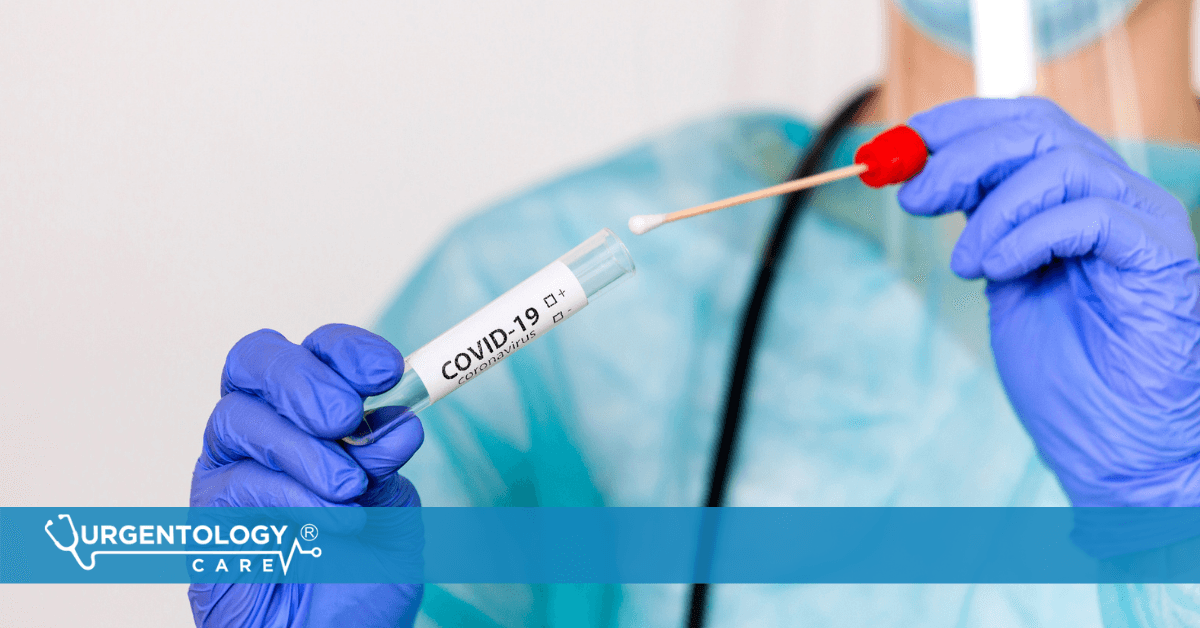
With the peak of flu and COVID-19 season here, many more patients may contract one or both of the viruses this winter. For patients with COVID-19, symptoms can be minor and do not require emergency treatment, or extreme and require hospitalization. Either way, long-lasting symptoms have caused patients to seek medical attention to restore their health.

Learn more about some of the most common complications following a case of COVID-19, and what to do.

Multiorgan Symptoms

Severe cases of COVID-19 can drastically affect a patient’s organs — especially those with an autoimmune condition. Many report lung, kidney, heart, and cognitive complications as they recover.

Patients also risk experiencing blood clots from prolonged time spent lying down, which have been responsible for heart attacks and strokes.

Common Symptoms Post-COVID

Many of the symptoms that a patient experiences during their battle with COVID-19 linger after they are no longer contagious or feel sick. Some patients even develop new symptoms after they’ve started to recover. These symptoms include:

  • Shortness of breath
  • Tiredness
  • Chest and stomach pain
  • Fast heartbeat
  • Headaches
  • Changes in smell and taste
  • Difficulty concentrating

For patients that have been hospitalized due to COVID-19, the effects of hospitalization can also cause post-intensive care syndrome (PICS). Patients with PICS often experience:

  • Severe weakness
  • Problems with thinking
  • PTSD

Pediatric Symptoms

While COVID-19 infection is more common in adults, more children continue to test positive following the return to in-person school and other events. Symptoms of fatigue, trouble sleeping, trouble focusing, and shortness of breath are also common in children as they are in adults.

Treating Your Symptoms at Urgentology Care

It’s difficult to determine the full range of post-COVID symptoms in all patients, as scientists are still learning about the disease. If you still aren’t feeling well after you’ve started to recover from COVID-19, you may need additional medical help to improve your symptoms. At Urgentology Care, we will help evaluate your symptoms and recommend the best course of treatment.

For COVID-19 treatment, vaccinations, testing, and information visit us online or contact us at (817) 799-7273.

Preparing for a Healthier School Year

Preparing for a Healthier School Year

Back-to-School Health Tips

With children returning to learning in the classroom instead of virtual learning, you may be thinking of how to best support your little one this school year. Break out your new notebook and pens and jot down these tips to help your little one have a safer and healthier year!

Managing Allergies and Other Conditions

Before the school year starts, it’s always a good idea to take a trip to the allergist if your child has been diagnosed with allergies. This way, you can stock up on medications for use at home and at school.

If your child presents themself with a runny nose, a sore throat, itchy eyes, or a cough, use these tips to differentiate between sickness and an allergy attack — and learn when an allergy test may be appropriate.

While you’re at it, now is also a good time to ensure that your child’s emergency contact information and medical history, such as known food allergies, are updated with their school nurse and teachers.

The Annual Physical

It’s back-to-school season, which means plenty of shopping and preparation. However, a key part of helping your child get ready for a new, fun, and exciting year of school is to make sure they’re healthy.

Recommended Ages for a Checkup

Life has become very hectic over the past year or so, with new health guidelines to follow to protect you and your family. However, one thing that hasn’t changed is the importance of having an annual physical done before the school year begins.

Even if your child appears to be healthy, the American Academy of Pediatrics promotes the following guidelines for pediatric wellness checks:

  • From newborn to two: should visit every few months.
  • From two to six: should visit annually.
  • From 6 on: should visit every one to two years.

Remember that if your child plays sports, they may have to get a physical every year before they’re allowed to start practicing. Be sure to follow your school’s guidelines and contact them if you have any questions.

What Happens at the Physical?

In general, your child’s pediatrician will go over these items during their wellness visit:

  • Check their height and weight (BMI).
  • Check their blood pressure.
  • Give them a screening for mental health conditions.
  • Check on habits such as eating, sleeping, and exercise.
  • Check their growth and development (signs of puberty).
  • Make sure they are up to date on their immunizations.
  • Order any additional necessary testing (such as anemia or high cholesterol).
  • Take a physical examination, checking their heart, lungs, and back.
CDC Recommended Vaccine Timeline

Did you know that measles and mumps can potentially cause infertility in men later in life? Or that rubella was once frequently passed from a pregnant mother to her unborn child, with potentially devastating consequences? These are diseases that not only had an effect on the sick child but could also have frightening effects on future children.

Today, immunization keeps harmful diseases from being passed on to the next generation. There are a number of vaccines that the CDC notes are vital to keeping your child healthy from birth to 15 months, including:

  • Hepatitis B — 1st dose at birth, 2nd dose at 1-2 months, 3rd dose at 4-15 months.
  • Rotavirus — 1st dose at 2 months, 2nd dose at 4 months.
  • DTAP — 1st dose at 2 months, 2nd dose at 4 months, 3rd dose at 6 months, 4th dose between 15 through 18 months, and 5th dose between 4 through 6 years.
  • Poliovirus — 1st dose at 2 months, 2nd dose at 4 months, 3rd dose at 6 to 15 months.
  • Influenza — should be received every year at the start of the flu season.

Note: You should always consult with your child’s doctor to determine the full list of vaccinations appropriate for your child throughout their development years.

Protecting Your Family from Viral Infections

Influenza

The influenza virus is a very contagious and serious disease that can lead patients to become hospitalized and at times, can lead to death. In light of the COVID-19 pandemic, it’s more important now than ever to do everything you possibly can to reduce your risks of contracting the flu or any other virus and to help stop the spread.

In addition to getting your annual flu shot, use these tips to keep your child safe.

COVID-19

Though many Americans are fully vaccinated, the threat of COVID-19 still lingers — especially for children who are too young to be vaccinated.

Check on your school’s COVID-19 protocols, and remind your child to practice these helpful tips while at home and at school:

  • Avoid touching your face, especially your mouth and eyes.
  • Wear a face covering over your mouth and nose.
  • Wash your hands frequently with hot water and soap.
  • Cover your sneezes and coughs when out in public.
  • Clean high-touch surfaces frequently, such as counters, doorknobs, and faucets.

Pediatric Urgent Care in Arlington, TX

At Urgentology Care, we offer a range of pediatric services to help support the health of your children — including annual physicals. You don’t need an appointment, but you can schedule one for today to cut down on waiting time by calling (817) 799-7273 or contacting us online.

The Importance of Getting Vaccinated for COVID-19

The Importance of Getting Vaccinated for COVID-19

Stop the Spread By Getting Vaccinated Today

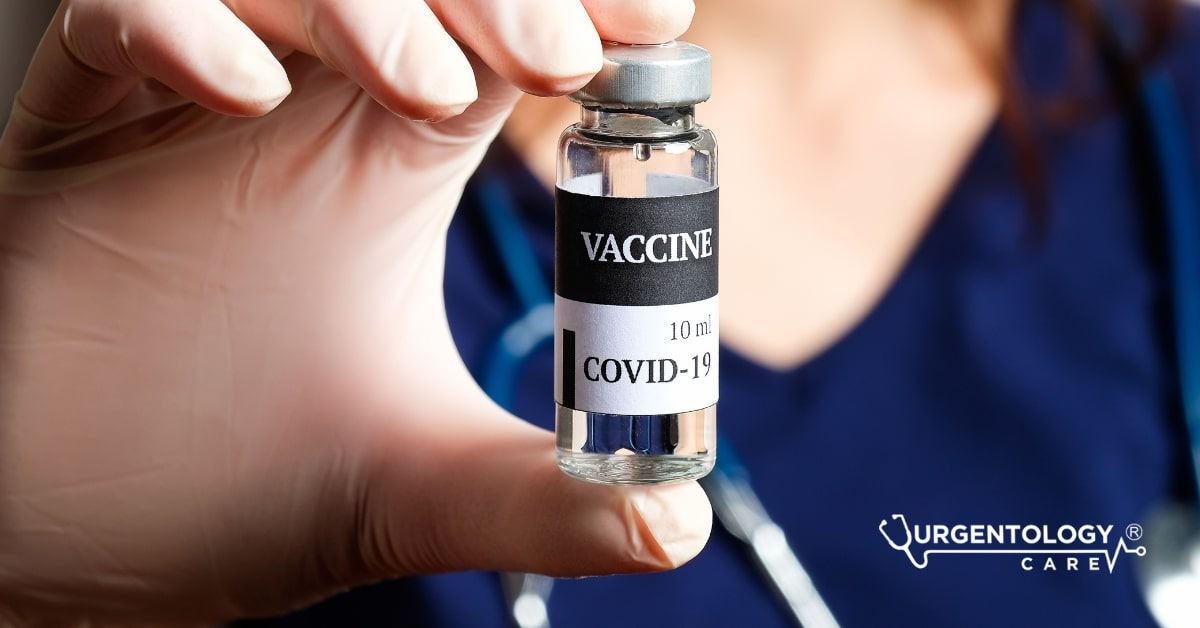
Just as the best way to prevent the flu is by receiving a flu shot, the best way for you to prevent yourself from contracting COVID-19 is by getting vaccinated. Though these conditions are similar in their symptoms, the result of contracting COVID-19 has been known to be more serious for many Americans.

In honor of World Immunization Week, here’s why it’s vital to receive the COVID-19 vaccine when it becomes available for you.

The Risks of COVID-19

According to Johns Hopkins, COVID-19 has killed more people in the U.S. than influenza has in the last five years. Also, COVID-19 has a higher severe disease and mortality rate than influenza in all age groups, except perhaps children under the age of 12. COVID-19 survivors report many more long-term effects of the infection than influenza survivors — and we don’t know the full scope of these effects yet.

Just like the flu vaccine, the COVID-19 vaccine is not 100% effective, but it drastically reduces your chances of being infected and/or having serious symptoms if you do become sick. In addition to lowering your risks, receiving your COVID-19 vaccine can help lower the risks of your family members, loved ones, and community — helping to significantly stop the spread.

Looking Ahead

As we navigate the pandemic, it’s unclear what the future holds as far as travel across the U.S. and internationally. It is likely that, similarly to other serious infections, there could be some restriction on travel for those not fully vaccinated.

Who Can Get the Vaccine?

The U.S. Food and Drug Administration (FDA) has granted emergency use authorization. Data collected show that the known and potential harms of becoming infected with the coronavirus disease 2019 (COVID-19) outweigh the potential safety risks of the vaccines.

According to the CDC, anyone who has a severe allergy (e.g., anaphylaxis) to any of the Pfizer/BioNTech vaccine ingredients should not receive this vaccine. The CDC says people with allergies to certain foods, insects, latex, and other common allergens can safely receive the COVID-19 vaccine.

Texas Guidelines

The Texas Department of State Health Services continues to expand the vaccine allocation for residents across the state. Both the Moderna and Pfizer vaccines (two-dose vaccines) are available across Texas, and it’s essential to stay up to date to learn when you’re able to be vaccinated. Click here for the latest from Texas Health and Human Services.

COVID-19 Vaccines Available at Urgentology Care

As we navigate through the COVID-19 crisis, our practice is committed to bringing the most up-to-date resources to our community, including the most advanced FDA-approved testing available. The Moderna vaccine is currently available at Urgentology Care.

To read more about our COVID-19 testing practices or to contact our team, click here.

COVID-19 vs. Spring Allergies [Infographic]

COVID-19 vs. Spring Allergies [Infographic]

Allergies vs COVID-19 Infographic

Allergies or COVID-19: Diagnosing Your Symptoms

Allergy season is upon us once again, and we’re still confronting the coronavirus (COVID-19) pandemic here in Texas. One major concern we’re seeing is that patients are experiencing symptoms but are unsure if it’s allergies or the coronavirus.

While both share similar nasal and respiratory symptoms, they’re very different conditions. Keep reading to learn how to tell the difference, and how our team at Urgentology Care can help with both.

Do I Have Allergies?

Allergies are one of the most common illnesses that plague people when the seasons change — especially in the spring. Patients with allergies often experience symptoms after direct exposure to an allergen (such as food, pollen, or dust). Allergies are an immune response to an allergen, which our immune system views as a threat.

Over time, allergy symptoms can become worse and present themselves very similarly to coronavirus. Patients with allergies typically experience no fever as patients with COVID-19 do.

However, patients with allergies typically experience:

  • Runny nose.
  • Sneezing, or stuffiness.
  • Itchy, watery, or red eyes.
  • Coughing and wheezing.

Read More: Common Allergy Symptoms: Ways to Prevent or Treat Them

Do I Have COVID-19?

COVID-19 is a respiratory illness caused by exposure to the SARS-CoV-2 strain of coronavirus or its variants. Patients who test positive for COVID-19 may either be asymptomatic (show no symptoms) or may experience a range of mild to severe symptoms within 14 days of exposure to novel coronavirus.

Patients with COVID-19 typically experience symptoms more closely related to the seasonal flu, including:

  • Fever or chills
  • Cough
  • Shortness of breath
  • Muscle or body aches
  • Headache
  • New loss of taste or smell
  • Sore throat
  • Congestion or runny nose
  • Nausea or vomiting
  • Diarrhea

When to Seek Treatment

Allergies, similarly to COVID-19, can be diagnosed with testing. After treatment, symptoms often reduce or go away completely. Patients may be prescribed a daily allergy pill or may be recommended for further treatment such as allergy shots and drops.

You can visit an urgent care for treatment to alleviate your symptoms and rule out any other serious conditions, such as the flu or COVID-19.

The following are emergency warning signs of COVID-19 that warrant immediate medical attention:

  • Trouble breathing.
  • Persistent pain or pressure in the chest.
  • New confusion.
  • Inability to stay awake.
  • Bluish lips or face.

Seek Relief for Your Symptoms at Urgentology Care

If you feel that you may be experiencing symptoms and are unsure if you have allergies or COVID-19, stop by our clinic for an assessment. We can test you for COVID-19 or allergies and provide a proper treatment plan.

To speak to one of our team members, contact us today at: (817) 799-7273

Protecting Your Family From COVID-19

Reducing Your Risks of COVID-19 Exposure

Your risk of catching COVID-19 or any other viral infection increases in crowded cities or communities, increasing the risk of spreading the disease to your loved ones. As cases surge across the U.S., it’s important for Texans to keep up with preventative measures to reduce their chances of contracting COVID-19.

Healthy Habits to Protect the Entire Family

When possible, it’s best to keep at least 6 feet of distance between you and others when out in public. Also, follow your county’s guidelines for school closures, travel alerts, and public ordinances. There are several other ways you can keep your family healthy, safe, and stop the spread of COVID-19 and any other virus, including:

  • Avoiding touching your face, especially your mouth and eyes.
  • Wearing a face covering over your mouth and nose.
  • Washing your hands frequently with hot water and soap.
  • Covering your sneezes and coughs when out in public.
  • Cleaning high-touch surfaces frequently, such as counters, doorknobs, and faucets.
  • Receive your COVID-19 vaccination when available in your area.

Distinguishing COVID-19 From the Seasonal Flu

Flu season lasts from November through March in the U.S., with cases typically peaking around February. As COVID-19 cases continue to spike here in Texas at the same time, it’s essential to recognize the differences between these illnesses and seek treatment and testing if you feel sick.

Symptoms of COVID-19

The coronavirus (COVID-19) is a respiratory infection caused by the SARS-CoV-2 virus. Patients who contract COVID-19 either experience a range of moderate to severe symptoms or may appear to be asymptomatic (no signs of symptoms).

The most common signs of COVID-19 are similar to the flu and include:

  • Sore throat
  • Chills
  • Stuffy or runny nose
  • Diarrhea
  • Fatigue
  • Fever
  • Nausea or vomiting
  • Muscle aches
Emergent Symptoms of COVID-19

Most of the symptoms of COVID-19 are best treated at home with plenty of fluids and rest. However, the following are signs you should seek emergency treatment as soon as possible:

  • Constant pain or pressure in your chest.
  • Trouble breathing.
  • Bluish lips or face.
  • New loss of taste or smell.

Patients considered high-risk are advised to remain at home and to avoid public hotspots. If you believe you are sick, don’t delay in getting tested and seeking treatment.

Symptoms of the Seasonal Flu

Influenza (the seasonal flu) is also a respiratory illness caused by the influenza virus that can be mild to severe. Similarly to COVID-19, symptoms of the flu can vary in their severity, but some of the most common signs of the seasonal flu include:

  • Sore throat
  • Chills
  • Stuffy or runny nose
  • Fever
  • Cough
  • Diarrhea
  • Fatigue
  • Headaches
  • Muscle or body aches
  • Vomiting

COVID-19 Testing Options atUrgentology Care

If you do feel sick, our staff has testing options available every day of the week. Learn more about the COVID-19 tests we offer:

Rapid Antigen Tests

For quick testing, the rapid antigen test is appropriate for those thought to be actively infected with COVID-19. This test is administered via a nasal or nose and throat (nasopharyngeal) swab, and tests come back within 15 minutes.

Molecular PCR Tests

The PCR test is considered the ‘gold standard’ of COVID-19 testing, as it’s the most accurate way to tell if a patient currently has the coronavirus. This test is administered via a nasopharyngeal swab, and results take 3-5+ days.

Antibody Tests

Our COVID-19 antibody test can tell if someone recently tested positive for COVID-19 exposure but is not currently sick. If a patient was exposed, they will have coronavirus antibodies in their blood. To administer this test, we take a sample of blood. Results typically come back in 1-2 days.

Employer COVID-19 Testing at Urgentology Care

Healthcare workers, first responders, food service workers, and local businesses have all supported our community through the COVID-19 pandemic without the option to work from home. Now that more workforce members are being recalled, employers need to offer their staff access to easy testing options to protect themselves and their loved ones.

Urgentology Care is pleased to announce our employer COVID-19 testing program. Read on to learn how to provide you and your entire team some peace of mind:

Onsite and Clinic Testing

To make testing easier for you and your employees, we offer onsite and in-clinic testing options. Our corporate COVID-19 testing is administered via contract, and upon signing up, we will discuss whether you want your employees to come into our clinic for testing or if you want us to come to you.

While onsite testing reduces downtime, we’re happy to set up appointments at our clinic for your employees as well.

COVID-19 and Flu Treatment in Urgentology Care

In light of COVID-19 and the flu season occurring at once, taking all necessary precautions can help protect your family — including getting vaccinated. If you believe you may have been exposed to COVID-19 or are feeling ill, make an appointment at our clinic for testing and proper treatment.

Employer COVID-19 Testing Option at Urgentology Care

Employer COVID-19 Testing Option at Urgentology Care

Providing Your Team Peace of Mind

Healthcare workers, first responders, food service workers, and local businesses have all supported our community through the COVID-19 pandemic without the option to work from home. Now that more workforce members are being recalled, employers need to offer their staff access to easy testing options to protect themselves and their loved ones.

Urgentology Care is pleased to announce our employer COVID-19 testing program. Read on to learn how to provide you and your entire team with some peace of mind:

Onsite and Clinic Testing

To make testing easier for you and your employees, we offer onsite and in-clinic testing options. Our corporate COVID-19 testing is administered via contract, and upon signing up, we will discuss whether you want your employees to come into our clinic for testing or if you want us to come to you. While onsite testing reduces downtime, we’re happy to set up appointments at our clinic for your employees as well.

Learn more about the COVID-19 tests we offer:

Rapid Antigen Tests

For quick testing, the rapid antigen test is appropriate for employers to test if an employee is actively infected with COVID-19. This test is administered via a nasal or nose and throat (nasopharyngeal) swab, and tests come back within 15 minutes.

Molecular PCR Tests

The PCR test is considered the ‘gold standard’ of COVID-19 testing, as it’s the most accurate way to tell if a patient currently has the coronavirus. This test is administered via a nasopharyngeal swab, and results take 3-5+ days.

Antibody Tests

Our COVID-19 antibody test can tell an employer if their employee recently tested positive for COVID-19 but is not currently sick. If an employee was exposed, they will have coronavirus antibodies in their blood. To administer this test, we take a sample of blood. Results typically come back in 1-2 days.

Monitoring Symptoms

In addition to testing your employees, our team also recommends monitoring their symptoms daily by checking for flu/cold-like symptoms when the employee comes in for their shift. If an employee has a fever alongside other symptoms, they should be tested and sent home.

Employer COVID-19 Testing at Urgentology Care

As we navigate through the COVID-19 crisis, our practice is committed to bringing the most up-to-date resources to our community, including the most advanced FDA approved testing available.

To set up employee testing for your team, contact our clinic today: (817) 799-7273

Knowing Your Symptoms: COVID-19 vs. The Flu

Knowing Your Symptoms: COVID-19 vs. The Flu

How to Tell if You Have COVID-19 or the Seasonal Flu

As COVID-19 cases continue to spike here in Texas, flu season will coincide. The symptoms of both illnesses are similar, which is why it’s essential to recognize the differences and seek treatment and testing if you feel sick.

Symptoms of COVID-19

The coronavirus (COVID-19) is a respiratory infection caused by the SARS-CoV-2 virus. Patients who contract COVID-19 either experience a range of moderate to severe symptoms or may appear to be asymptomatic (no signs of symptoms).

The most common signs of COVID-19 are similar to the flu and include:

  • Sore throat
  • Chills
  • Stuffy or runny nose
  • Diarrhea
  • Fatigue
  • Fever
  • Nausea or vomiting
  • Muscle aches

Emergent Symptoms of COVID-19

Most of the symptoms of COVID-19 are best treated at home with plenty of fluids and rest. However, the following are signs you should seek emergency treatment as soon as possible:

  • Constant pain or pressure in your chest.
  • Trouble breathing.
  • Bluish lips or face.
  • New loss of taste or smell.

Patients considered high-risk are advised to remain at home and to avoid public hotspots. If you believe you are sick, don’t delay in getting tested and seeking treatment.

Symptoms of the Seasonal Flu

Influenza (the seasonal flu) is also a respiratory illness caused by the influenza virus that can be mild to severe. Similarly to COVID-19, symptoms of the flu can vary in their severity, but some of the most common signs of the seasonal flu include:

  • Sore throat
  • Chills
  • Stuffy or runny nose
  • Fever
  • Cough
  • Diarrhea
  • Fatigue
  • Headaches
  • Muscle or body aches
  • Vomiting

There’s Still Time to Get Vaccinated

In light of COVID-19 and the flu season occurring at once, taking all necessary precautions can help protect your family — including getting vaccinated.

Flu season runs from October through March, but most cases in the United States tend to peak from December through February. It’s essential to get your flu shot early each year, but getting your vaccine later in the season can still protect you and your family.

If you haven’t stopped by our clinic to receive your shot yet, stop in today or contact us to make an appointment.

COVID-19 and Flu Treatment in Urgentology Care

This season, receive your shot for a $20 cash payment or free with insurance at Urgentology Care. If you believe you may have been exposed to COVID-19 or are feeling ill, make an appointment at our clinic for testing and proper treatment.

Is It Too Late to Get My Flu Shot?

Is It Too Late to Get My Flu Shot?

Is December Too Late to Get a Flu Shot?

According to the CDC, most seasonal flu cases in the United States occur between December and February. While experts recommend patients get their flu vaccine earlier in the season, learn the benefits of receiving your shot even during the height of flu season.

Protecting Your Family Through the Season

The ideal time to receive your flu shot is by the end of October so that the vaccine has time to work through your system before flu season peaks. However, flu season typically lasts until mid to late March, which means you can still protect yourself and your family through the spring if you get your flu shot now.

Why It’s Even More Important to Get Your Shot This Year

Getting a flu vaccine during the 2020-2021 flu season is more important than ever — even if you’re receiving your shot in December. With COVID-19 resurging in Texas, many communities will be hit with the seasonal flu and coronavirus at once. Receiving your flu shot helps reduce your risks of becoming sick due to the flu and can help differentiate your flu-like symptoms.

Who Should Get a Shot?

More than 200,000 people are hospitalized each year because of the flu, and annual flu-related deaths range from 3,000 to 49,000 people in the United States.

The CDC recommends that everyone six months and older should receive a flu shot once a year. Additionally, some individuals who are at higher risk for severe flu symptoms include:

  • Individuals with chronic conditions, like asthma and diabetes.
  • Individuals with heart disease.
  • Adults over the age of 65.
  • Pregnant women.
  • Individuals who have HIV or AIDS.

Patients in these risk groups need to receive their flu shots and maintain proper social distancing guidelines to reduce their chances of contracting a respiratory virus.

Flu Shots in Arlington

Whether it’s December or February, it’s not too late to get your flu shot. Your influenza vaccine is one of the top ways to protect your health this winter amid the COVID-19 pandemic. This season, receive your shot for a $20 cash payment or free with insurance at Urgentology Care. Stop by Urgentology Care for fast and convenient flu shot appointments.

Tips‌ ‌for‌ ‌a‌ ‌Healthier‌ ‌Winter

Tips‌ ‌for‌ ‌a‌ ‌Healthier‌ ‌Winter

Ways to Have a Healthy Winter

Though we have a milder winter than most other states, winter in Texas can have plenty of effects on our health. From colder weather and less sunlight to flu season (and this year, COVID-19 still lingering), taking care of yourself is more important now than ever.

Use these tips to help your family have a healthier winter:

Beat the Winter Blues

It’s no secret that once we trade the warm summer sun for gloomier colder days, many people tend to feel down. Additionally, many people experience Seasonal Affective Disorder (SAD), which is a form of seasonal depression during the winter.

With stay-at-home orders and social distancing guidelines in place, many more people may feel these harsh effects during the winter months. Those who experience SAD may find themselves restless, lethargic, and unmotivated. Finding ways to improve your spirits is not only essential for your mental health, but for your physical health as well.

Here are a few ways to help elevate your mood and practice self-care:

  • Winterize your exercise by walking or doing yoga indoors.
  • Find a hobby, such as reading or painting.

Include Extra Vitamins in Your Diet

Our production of vitamin D tends to drop during winter, as we don’t spend as much time outdoors. Try adding more vitamin D, vitamin C, and vitamin A to your diet to support a healthy immune system and give your body the nutrients it needs.

Some foods to add to your shopping list may include:

  • Clementines
  • Sweet potatoes
  • Bananas
  • Winter squash
  • Fatty fish such as tuna
  • Egg yolks

Drinking Plenty of Water

While you’re on the page of eating a healthy diet, make sure that you’re also drinking enough water. Drinking enough water helps support proper digestion, brain function, weight loss, and can also keep migraines at bay. The general rule of thumb is that each person should drink 8 eight-ounce glasses of water daily.

Take Care of Your Skin

Colder air and low humidity levels can lead to dry, itchy, and irritated skin. Especially for those with allergies or eczema, time spent indoors this winter can wreak havoc on your skin. If you’re suffering from an eczema flare-up, stop into our clinic for help.

To keep your skin healthy, be sure to drink plenty of water, limit how long you spend in the shower, and use a moisturizer daily. You may want to also consider purchasing a humidifier to add more moisture to the air inside your home. This can not only help your skin but can help alleviate your indoor allergies as well!

Keep the Germs Away

While flu season typically takes a toll on our community between October and March, this year we run the risk of also contracting COVID-19 during the same period. That’s why protecting your family is even more important this season.

Reducing Your Risks

Your risk of catching the flu increases in crowded cities or communities, and this increases the risk of spreading the disease to the people closest to you.

When possible, it’s best to keep at least 6 feet of distance between you and others when out in public. Also, follow your county’s guidelines on mask-wearing procedures and travel alerts. There are a number of other ways you can keep your family safe and stop the spread of the flu or any other virus, including COVID-19:

  • Washing your hands.
  • Covering your sneezes and coughs.
  • Cleaning common surfaces frequently.
  • Avoiding touching your face.

Getting Your Flu Vaccine

Getting a flu vaccine during the 2020-2021 flu season is more important than ever. The CDC recommends that your first defense against the influenza virus is receiving your annual vaccine as early as possible.

The CDC recommends that everyone 6 months and older should receive a flu shot once a year. Flu shots are especially important for young children, pregnant women, and adults age 65 and older.

The earlier you get your vaccination before flu season starts, the better. Even if you’ve already put it off for several weeks or months, you can benefit from getting the flu shot as late as February. Stop by Urgentology Care for fast and convenient flu shot appointments.

Caring For Your Family this Flu Season

At Urgentology Care, we dedicate ourselves to offering the best medical care for you and your entire family. Stop in today for your flu shot to reduce your risks of becoming sick this winter. Additionally, contact us for more information about our COVID-19 testing and treatment options.

How to Protect Yourself From the Flu This Fall

How to Protect Yourself From the Flu This Fall

undefined

How to Protect Yourself From the Flu This Fall

The influenza virus is a very contagious and serious disease that can lead patients to become hospitalized and, at times, can lead to death. In light of the COVID-19 pandemic, it’s more important now than ever to do everything you possibly can to reduce your risks of contracting the flu or any other virus and to help stop the spread.

Get Your Seasonal Flu Shot Early

Getting a flu vaccine during the 2020-2021 flu season is more important than ever. The CDC recommends that your first defense against the influenza virus is receiving your annual vaccine as early as possible.

The CDC recommends that everyone 6 months and older should receive a flu shot once a year. Flu shots are especially important for young children, pregnant women, and adults age 65 and older.

The earlier you get your vaccination before flu season starts, the better. Of course, if you’ve put it off for several weeks or months, you can still benefit from having it even if it’s already February. Stop by Urgentology Care for fast and convenient flu shot appointments.

Take Everyday Actions to Stop the Spread

There are a number of ways you can keep your family safe and stop the spread of the flu or any other virus, including:

  • Washing your hands
  • Covering your sneezes and coughs
  • Cleaning common surfaces frequently
  • Avoiding touching your face

Use Anti-Viral Medications

If you do contract the flu, anti-viral medications can be used to control your condition by making your symptoms milder. However, it is important to note that these medications are not designed to treat or prevent COVID-19.

Maintain Physical Distance

Your risk for catching the flu increases in crowded cities or communities, and this increases the risk of spreading the disease to the people closest to you.

When possible, it’s best to keep at least 6 feet of distance between you and others when out in public. Also, follow your county’s guidelines on mask-wearing procedures and travel alerts.

At Urgentology Care, we provide flu shots in Arlington for adults and children by appointment. Call (817) 799-7273 or contact us online.