
6 Myths About Flu Season: Debunked

6 Myths About Flu Season: Debunked

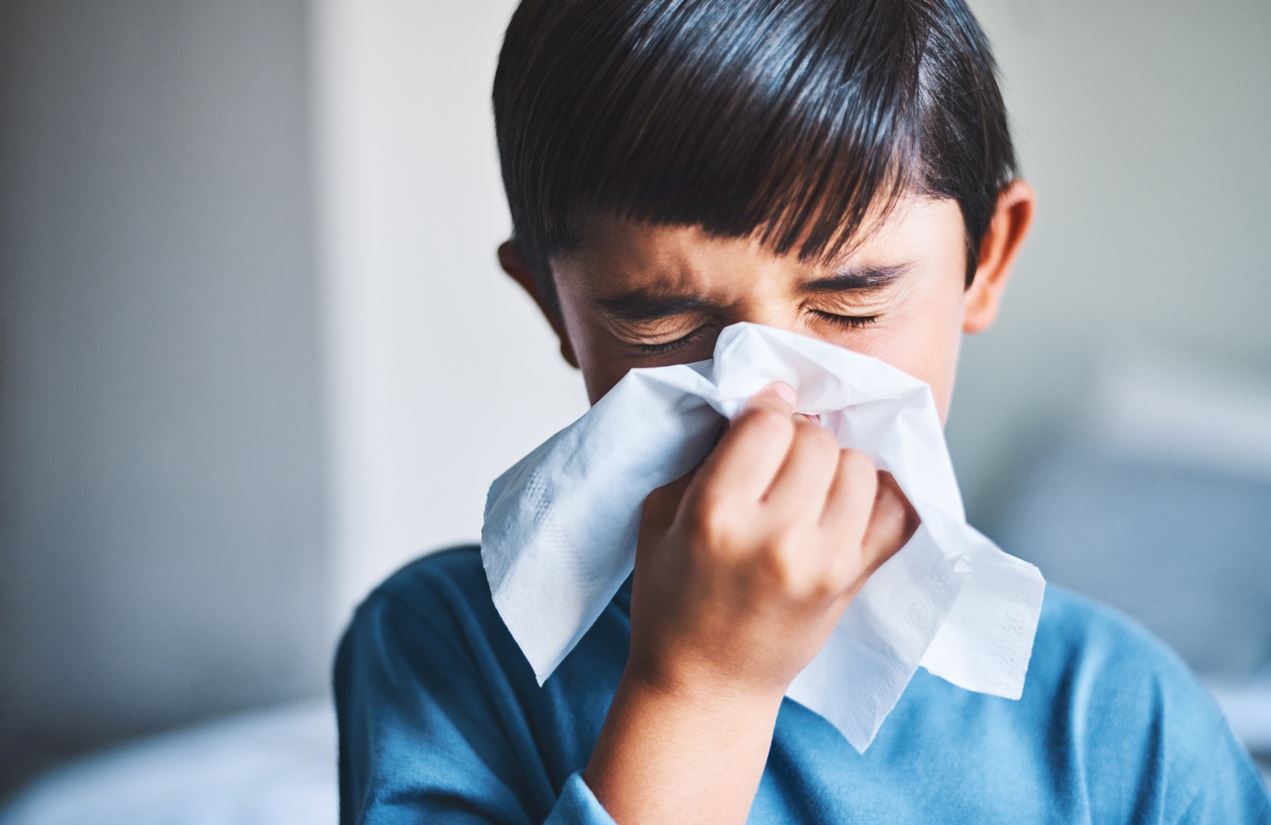
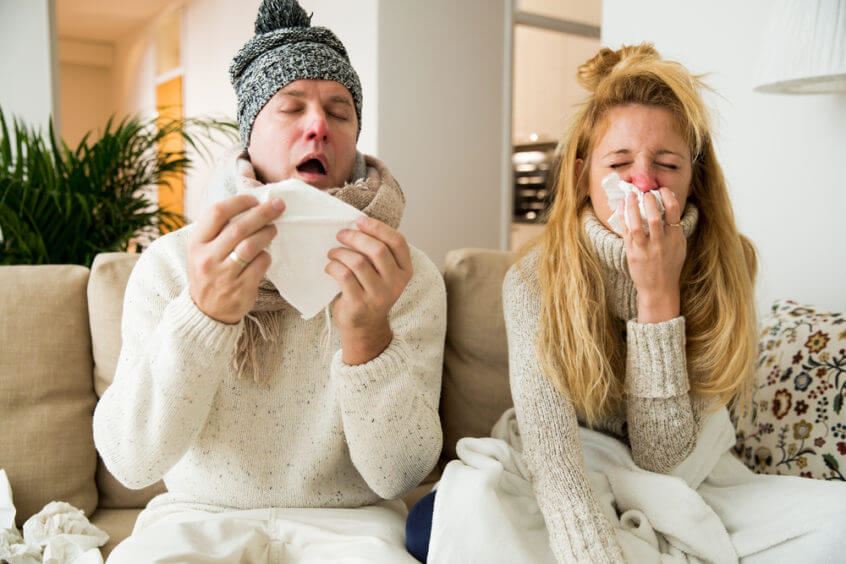
When flu season rolls around, we try everything in our power to prevent ourselves from getting sick. However, some of these rumored recommendations on how to stop it in its tracks can harm our health more than protect it — separate fact from fiction this season to stay healthy and flu-free.

Myth #1: The Flu Shot Will Give You The Flu

Many patients avoid getting the flu shot once they hear that the vaccine contains strains of the influenza virus. While this is true, the strains of influenza inside the shot are either inactivated (no longer infectious), or a substrate created to mimic the flu. Either way, the shot cannot give you influenza.

Myth #2: It’s Too Late to Get a Flu Shot

Typically, flu season enters its peak months between October and December. You should indeed get your flu shot sooner, rather than later, so you can stay protected through the entire season. In past years, the flu virus has hung around until late March.

Most insurance companies will cover your flu shot as a preventative service, and even if it isn’t, you can still get one at an affordable price.

Myth #3: Only Older People Need a Flu Shot

The flu doesn’t have an age limit, and it can be life-threatening for babies, older adults, and individuals with weaker immune systems or chronic illnesses.

Additionally, if you’ve gotten the flu shot in years past, they won’t necessarily protect you this year. New strains of the flu are discovered each year, which is why the CDC recommends every person over the age of 6 months should get a flu shot each year.

Myth #4: The Flu is Just as Serious as the Common Cold

The flu can present more severe symptoms and risks than an ordinary cold can. While you may experience symptoms associated with the common cold (such as a sore throat, runny nose, and cough), you are at a higher risk of falling seriously ill. More than 200,000 people are hospitalized each year due to influenza.

Myth #5: You Can Catch the Flu From Going Out in Cold Weather

Just as people assume the flu is no worse than a common cold, many don’t realize that the flu is a virus. Therefore, the only way to contract the flu is by being exposed to the influenza virus. A cold, drafty environment will not give you the flu unless you come in contact with a person inside that environment that has the flu!

Myth #6: You Can Treat the Flu With Antibiotics

As mentioned earlier, the flu is a virus, and therefore cannot be treated with antibiotics, which work against bacteria. In some cases, patients have to experience bacterial infections as a complication of the flu, but only in these cases would an antibiotic be prescribed.

The best way to protect yourself and your loved ones from the flu this year is by getting your flu shot. Stop by Urgentology Care today to receive your shot and stay protected against this year’s influenza virus. We offer free flu shots with in-network insurance or $35 with self-pay.

Reducing Your Risk of Food Allergen Exposures

Reducing Your Risk of Food Allergen Exposures

When your immune system reacts to a food ingredient, it triggers the release of chemicals, such as histamine, from cells in the body. This release of chemicals is what is known as an allergic reaction, which is your body’s attempt at protecting you against a certain food or ingredient. A food allergy differs from food poisoning in that the latter involves a patient eating food that is contaminated with harmful bacteria.

When Should I Allergy Test My Child?

When Should I Allergy Test My Child?

Have you recently noticed your child has gotten hives from certain foods they’ve eaten, or a runny nose during pollen season? This is the best indicator that your child may be developing allergies.

If you’re still deciding whether or not to take your child for allergy testing, read on:

What Causes Allergies?

An allergy is your immune system’s overreaction to a substance that is harmless to most people. The actual substance that triggers a reaction is referred to as an “allergen”, and your body’s reaction is its way of defending your body against them. While hereditary factors do play a large role in determining whether or not a child has allergies, specific allergies and types of reactions are not necessarily inherited.

When Do Children Develop Allergies?

There is no specific age for children to develop allergies. You may notice a reaction to an allergen, food or medication after your child’s first encounter or after being exposed multiple times.

What Do Allergy Symptoms Look Like?

Allergies affect each child differently. You may want to note down when and why these symptoms arise in order to provide the most accurate information to your doctor. This may include keeping a food diary, or paying extra attention to your child after they’ve spent time outside.

Some of the most common allergy symptoms are:

  • Skin rashes or hives

  • Sneezing, coughing, itchy throat and eyes, or a runny nose

  • Difficulty breathing or shortness of breath (possible asthma).

  • Nausea or an upset stomach due to something they’ve ingested.

  • Ear infections due to inflammation and fluid accumulations.

Common Allergy Triggers in Children

Your child can become allergic to almost anything. Overall, there are some allergens that affect more children on average, including:

  • Environmental: tree or plant pollen, grass, insect bites or stings

  • Foods: peanuts, eggs, milk, and milk products

  • Medications: nonsteroidal anti-inflammatory drugs such as ibuprofen and naproxen, antibiotics such as amoxicillin, penicillin, and others.

  • Indoors/Other: pet hair or dander, dust miles, mold, latex

Diagnosing Your Child’s Allergies

To determine whether or not your child is actually developing an allergy, you should consult your doctor for allergy testing.

An allergist will ask your son or daughter about his/her symptoms, perform a physical exam, and administer the allergy test. Skin tests will tell you immediately what your child is allergic to, while blood tests will take a few additional days. If your child has a food allergy, your doctor may suggest an ‘elimination diet’, which takes certain foods out of your child’s diet to see if they were the cause of their symptoms.

After the test results have come in, your doctor will develop a treatment plan for your child. Based on allergy testing, your doctor may recommend certain medications, prevention tips, and even allergy shots.

Seek Treatment at Urgentology Care

If you or your child is suffering from allergies, please come in and see us at Urgentology Care. Our compassionate and knowledgeable medical team will evaluate and treat your allergy symptoms right away.

How to Live With Allergies and Your Pet

How to Live With Allergies and Your Pet

Finding out your loved one may be allergic to your pet may send you into a panic. But don’t worry! There are many solutions to keeping your fur baby while successfully managing your allergies.

Diagnosing Your Allergies

Watery eyes, a scratchy throat, and nasal congestion are all signs of allergies. If you have these symptoms after playing with your pup, laying on furniture that they may have come in contact with, or being in the same room as them, you may have an allergy to your pet.

It’s essential to see your doctor to be allergy tested, so you can be confident that your allergies are pet-related and not because of other household allergens such as dust or mold.

Understanding Allergens

It’s important to understand what you’re allergic to. Allergens are allergy-triggering proteins that live in the saliva and glands of an animal’s skin (dander), and fur.

The reactions that someone has will vary. Reactions can range from mild sniffling to life-threatening asthma. Even ‘hypoallergenic’ pets can cause an allergic reaction.

Chances are if you have a cat or dog, you’ve found their fur in places you would never imagine — it gets everywhere. With some proactive measures, you can significantly reduce the amount of dander around your home, reduce your symptoms, and get back to lounging with your pooch.

Reducing Allergens and Symptoms

If you or your family member’s allergies are present but not life-threatening, follow these steps to reduce your symptoms:

1. Create an “Allergy Free” Zone in Your Home

Bedrooms are the ideal space to prohibit your pet’s access to. Switch out mattress covers, sheets, pillows, and any other bed coverings often.

2. Use HEPA Air Cleaners Throughout the Home

While you should use an air cleaner in the room of the allergic person, you should also spread them across the rest of your home. Cleaning the entire home frequently will help keep dander levels to a minimum.

3. Bathe Your Pet

Giving your pet a good bathing every week will help to eliminate dander. Be sure to use products that are specifically labeled for your pet — you can check with your veterinarian or local pet store, or take your pet for a spa day at the groomer!

4. Wash Up After Playing With Your Pet

Whether we cuddle up next to our pet or play a good game of fetch, you will get pet dander on you. Make sure to change your clothes after laying with your pet, and wash your hands thoroughly. Most importantly, never touch your face with your hands directly after playing with your pet! This may risk getting dander in your eyes, or mouth, and may send you into a bad allergic reaction.

5. Try Treatments

Treatments for allergies to pets include allergy shots, nose sprays, and antihistamine pills. If you need help treating your allergies, contact Urgentology Care!

We welcome you and your family to visit our expert medical team. If you have any questions or would like to schedule an appointment ahead of time, contact us today!

Allergies to Summer Insect Bites

Allergies to Summer Insect Bites

Summertime means more time spent outside. Whether you’re in the water, on a hiking trail, or taking a walk in your neighborhood, one thing is certain: you will encounter bugs.

There’s nothing more annoying in the summer than having a really itchy, swollen mosquito bite, but what about something more serious? Most insect bites and stings cause only slight discomfort, but some encounters can be poisonous, especially if you have severe allergies to a specific insect venom.

So, how do you know when a bug bite is more than just a nuisance and requires medical attention?

Reactions to Stings and Bites

Many different types of insects have the potential to bite or sting you, including:

  • Mosquitoes
  • Flies
  • Spiders
  • Yellow jackets, hornets, and honey bees
  • Wasps
  • Fire ants

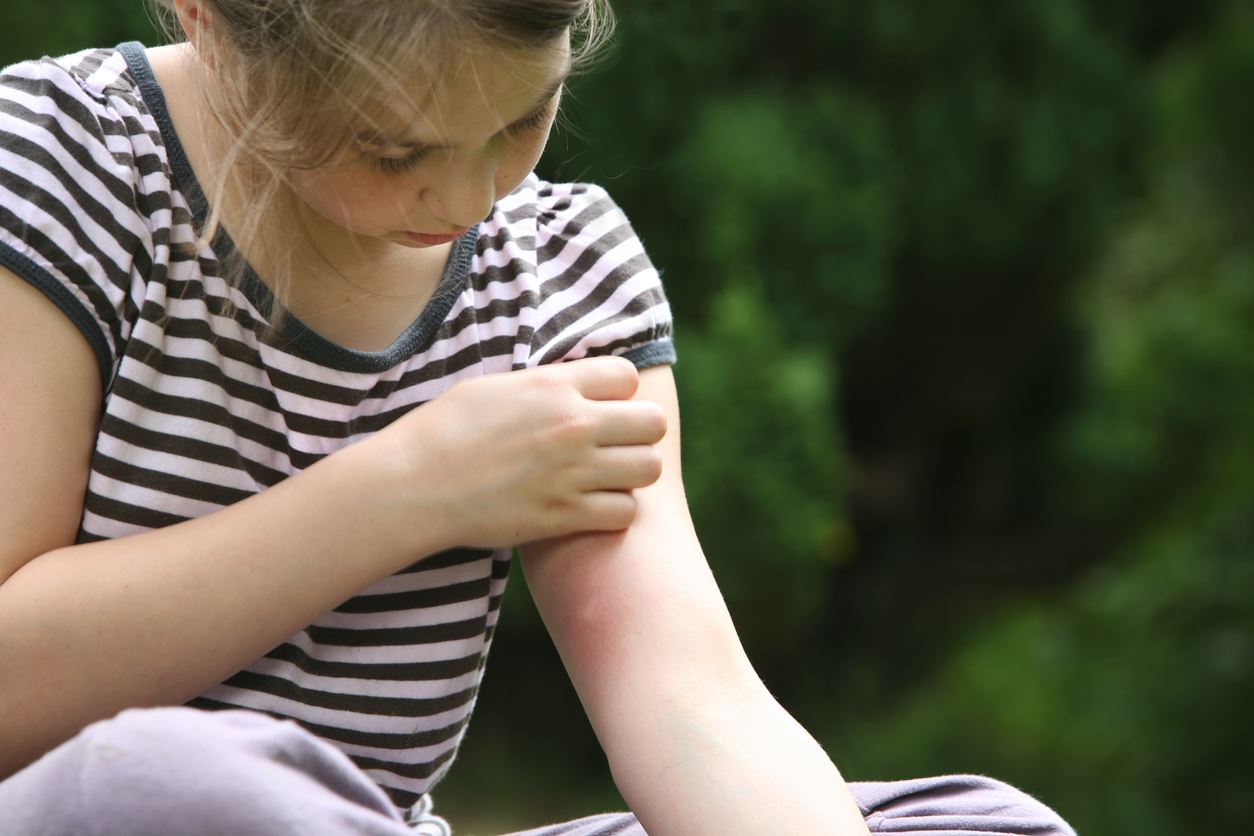
When a bug stings or bites you, its venom enters your body and your immune system responds. Typically, the least-serious symptoms of a bite include swelling, redness, and itchy skin around the affected area.

When a bug bites you, it makes a small break in your skin, allowing for bacteria to enter the small puncture points. Aggressive scratching can also cause the skin to open up.

Once the bacteria enters the bug bite, an infection may develop called cellulitis. The typical symptoms of cellulitis include pain and tenderness at the site of the bite, swelling, and redness. If left untreated, your infection will begin to pus and may result in a flu-like sickness.

When it’s Time to Go to the Doctor

You should treat a minor bite or sting by covering the area with an ice pack to reduce any swelling, followed by applying hydrocortisone cream or calamine lotion. Peppermint oil is also great at reducing any itching related to your bug bites if used in small doses.

If you notice a rash, infection, pain in your muscles near the affected area, or you experience flu-like symptoms days after you’ve been bitten, you should see your doctor immediately. Your doctor can test you for infections or diseases that you could have possibly contracted from the insect that bit you.

A bite can turn more serious if you’re allergic to an insect’s venom — a condition called anaphylactic shock. Anaphylaxis often starts with an itching swelling rash called urticaria, or hives. It can quickly spread to the face, lips, and throat causing shortness of breath. This is a medical emergency and can occur in a few short minutes. If you do have a severe reaction to a bug bite or sting, you should seek medical attention immediately.

Certain species of spiders (including black widows or brown recluses) can be extremely poisonous to humans; and even if your symptoms seem minor, you should always seek emergency medical treatment for these types of bites.

If you are suffering from symptoms related to an insect bite, please come into Urgentology Care right away. Urgentology is an innovative and friendly urgent care in Arlington and we welcome you and your family to come visit our expert medical team for non-emergency situations. If you have any questions or would like to schedule an appointment ahead of time, contact us today. Walk-ins are of course always welcome.

Tips To Avoid Dehydration This Summer

Tips To Avoid Dehydration This Summer

There is no doubt that summer is here in Texas, and the temperatures are

peaking. With the intense

heat, your body is much more prone to dehydration. This is typical because

we sweat more from the heat and our bodies need to use more water to try

and stay cool and regulate our body temperature. This is especially prevalent

in children as they typically have a lower body mass to hold hydration

and burn through it more quickly. It is also an issue that kids don’t

realize the importance of drinking water and are too distracted by the

summer fun. So, it is very important that you not only make sure you are drinking

enough water but also that your child is.

Here are some tips to help you and your family avoid dehydration this summer:

  1. Get in the habit of carrying around a reusable water bottle wherever you

    go. This is not only great for your health but for the health of the environment

    (as it creates for less plastic usage from disposable water bottles).

    You should also get your children in the habit of carrying around a reusable

    water bottle. You can encourage this habit by keeping the water bottle

    fun (let them pick it out) and to keep things interesting you can even

    try adding fresh fruit to the water to flavor it.

  2. Start you and your family’s day off with a glass of water as soon

    as you get out of bed, as well as one before you go to sleep at night.

  3. If you find it hard to always be drinking water, or if perhaps your kids

    don’t love the taste, you can try and keep everyone hydrated by

    snacking on foods that are high in water content. Some of these foods

    include: watermelon, strawberries, cantaloupe, oranges, peaches, lettuce,

    tomato, beetroot, celery, and jicama.

  4. Try to limit drinks with caffeine such as; coffee, tea, and sodas, as well

    as drinks with alcohol. These drinks can have a diuretic effect which

    can lead to quicker dehydration. If you do have a caffeinated or alcoholic

    beverage, follow each with a glass of water.

  5. Try and limit drinks that are high in sugar like soft drinks and fruit

    juices. These tend to slow down fluid absorption into the body. If your

    child insists on fruit juice, dilute the fruit juice with water to reduce

    the sugar consumption and keep them hydrated.

  6. Seek shade and wear cool clothes to lessen sweating and body-water loss.
  7. If you are engaging in outdoor activities, be sure to drink double if not

    triple your water intake to make sure you stay hydrated. Take breaks from

    the heat regularly and stay cool by using the AC or shade as well as drink

    water if you feel dizzy, nauseous, or have a headache.

Common symptoms of mild to moderate dehydration can include:

  • Increased thirst
  • Dry mouth
  • Decrease urine and urine of dark color
  • Headache
  • Nausea
  • Dizziness
  • Dry skin
  • Light-headedness

If you or a loved one is experiencing these symptoms or ones of more severity

you should immediately seek medical attention. If you have any questions

or would like to schedule a same day appointment, please don’t hesitate to

contact us today.

Important: If you have a life-threatening emergency, please call 911 or

go to your nearest Emergency Room. Information in this site is not intended

to be used as a diagnosis for your symptoms. If you experience any of

these symptoms, please seek medical attention or visit Urgentology Care.

The Importance of Always Washing Your Hands

The Importance of Always Washing Your Hands

Washing your hands is an extremely important part of staying healthy. We use our hands for the majority of daily tasks that we participate in and that means we are always exposing them to a multitude of germs that live around us. Unfortunately, many of us only wash our hands about half the time that we should be. The biggest problem is that we don’t realize these germs are now on our hands and then we proceed to touch our face, our noses and mouths.

Your nose and mouth are a direct entry point for germs to go into the body that can cause you to catch common colds as well as the flu. In order to stay healthy this flu season, make sure to wash your hands very often, and avoid contact with your hands to your nose or mouth.

How can you engage in proper hand hygiene?

Wash your hands often, and especially after touching objects in a public place. The places where you are most likely to pick up germs that will make you sick are grocery stores (from the grocery carts), movie theaters, elevators, airports, airplanes, cabs, trains, buses, public restrooms and other places where your hands are exposed to objects that many others have touched. Your best bet is to carry around antiseptic hand rub, such as alcohol-based hand sanitizer. When using hand sanitizer make sure to cover all surfaces of the hands and fingers and rub them together for 15 to 20 seconds until they are dry.

Are you washing your hands properly?

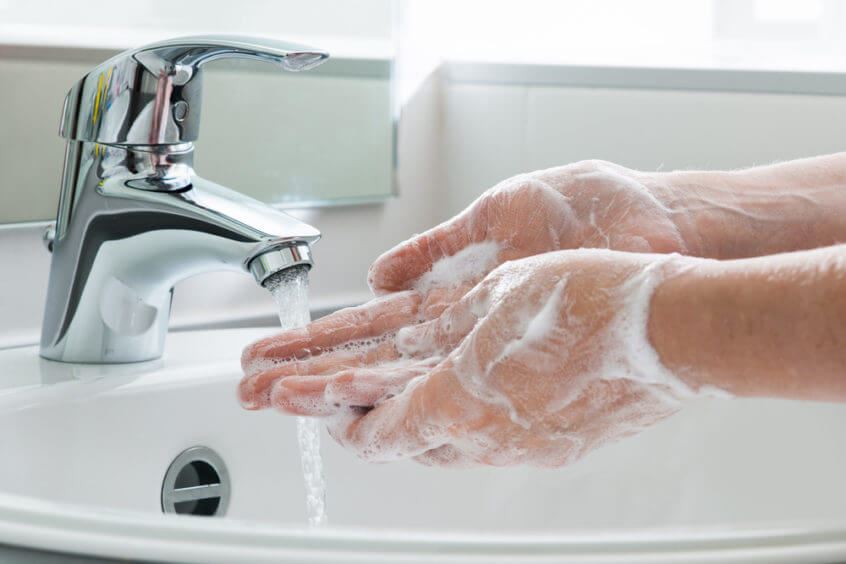
Many people quickly run their hands under cold water and consider their hands clean, this isn’t the case. The only effective way to wash your hands of germs that can make you sick is to use antiseptic soap and warm water and to rub your hands together for at least 15 to 20 seconds. When you are rubbing your hands together make sure you are covering all surfaces of the hands and fingers. Remember to use warm water, not hot water, as this can dry your skin out.

When is it most important to wash your hands?

  • Before you eat
  • Before preparing food
  • After contact with someone who may be sick
  • After contact with public objects
  • After using the restroom

Make sure that you are properly wash your hands throughout the day as well as cleaning underneath your fingernails to keep from catching viruses and infections this fall and winter season. To further prevent your body from getting sick your best option is to see your doctor in Arlington for a flu shot, this is the strongest preventative measure.

If you are feeling sick or need a flu shot, in order to avoid the wait and the hassle come visit us here at Urgentology. Urgentology is an innovative, trusted, and highly recommended urgent care in Arlington with an expert medical team and we would be happy to help. If you have any questions, feel free to contact us or pop in for a visit today.

Important: If you have a life-threatening emergency, please call 911 or go to your nearest Emergency Room. Information in this site is not intended to be used as a diagnosis for your symptoms. If you experience any of these symptoms, please seek medical attention or visit Urgentology Care.

Innovative Health Care Clinic Opening in North Arlington

Innovative Health Care Clinic Opening in North Arlington

Urgent care health clinics have only grown in popularity over the last ten years, and there are a lot of good reasons why. From convenience to affordability, many advantages, and going to an urgent care for your health concerns is the new norm. As for the great news, a new innovative and top-of-the-line Arlington clinic is opening near you!

Urgentology strives to always put the patient first. Our goal is to prioritize your health, time, and satisfaction. Our staff is highly skilled, happy, and able to treat patients of all kinds, adults as well as children from above the age of one year old. We will provide you with a variety of healthcare services. See below some of our most common treated health conditions and services we offer.

The most common injuries we treat:
• Bites
• Burns
• Bruises
• Cuts & lacerations
• Foreign object body removal
• Fractures and breaks
• Puncture wounds
• Scrapes
• Sprains and strains
• Stings
• Other non-life-threatening injuries

The most common illnesses we treat:
• Abdominal/stomach pain
• Abscesses
• Allergies
• Bronchitis
• Colds
• Constipation
• Coughs
• Diarrhea
• Dizziness and vertigo
• Ear infections
• Fevers
• The flu (Influenza & Pneumonia)
• Food poisoning
• Headaches
• Heartburn
• Hyperglycemia (high blood sugar)
• Hypoglycemia (low blood sugar)
• Mononucleosis (Mono)
• Nausea & Vomiting
• Pink eye
• Skin rashes
• Sinus infections
• Sore throat/Strep throat
• STDs/STIs
• Swollen glands
• Urinary Tract Infections (UTIs)
• Wheezing
• Yeast infections

Most common vaccines we administer
• Flu shots
• Hepatitis A vaccine
• Hepatitis B vaccine
• Meningitis vaccine
• Pre-travel vaccinations
• Shingles vaccine
• Tetanus vaccine
• Typhoid vaccine
• Whooping cough vaccine

Other common medical services
• Annual, sports, school, and work physicals
• Digital x-rays
• Drug tests
• EKGs
• Lab tests
• Pap smears
• PPD/TB skin tests
• Pregnancy tests
• STD tests

Why choose our urgent care center?

We offer quick and convenient care
Urgentology offers quick care. There is no need for an appointment as you can just walk right in. If you want to avoid waiting in line you can even use our check-in service from the convenience of your home, office, or anywhere. You can access this virtual check-in via any smartphone, tablet, or computer.

We offer care for extended hours
One of the most prominent reasons people have started turning to urgent cares is not only the highest quality, quick, and convenient care, but the extended hours. Our clinic is open from 9:00am all the way until 9:00pm every day except for the weekend. However, our weekend hours are still favorable, as we are open from 9:00am until 5:00pm on Saturday and Sunday. Our clinic is also open on many holidays. Rest assured knowing that our clinic is there for you and there will be no more miserable weekends spent feeling ill and waiting to get into your doctor.

We offer care at affordable costs
Urgent care centers are well known for their affordable costs, and we accept all of the major insurance policies. If we don’t accept your insurance, regardless, we provide highly competitive and affordable rates for our patients.

Check-in today to avoid waiting in line, or feel free to contact us for any questions you may have. At Urgentology, patient satisfaction is our goal and your health is our priority.

Important: If you have a life-threatening emergency, please call 911 or go to your nearest Emergency Room. Information in this site is not intended to be used as a diagnosis for your symptoms. If you experience any of these symptoms, please seek medical attention or visit Urgentology Care.

Cold or Flu? How to Tell the Difference

Cold or Flu? How to Tell the Difference

The autumn season is upon us. However, unfortunately, when the leaves are

changing colors that also means that flu season is on its way. As it is

the time of year that we find ourselves run down and sick, many of us

also find ourselves asking the question, is it a cold or the flu? While

often a cold can dissipate on its own with home treatments such as rest

and fluids, it is important to treat the flu by means of the recommendations

of a medical professional in order to ensure it doesn’t grow to

become more serious.

While

the flu and the common cold are both in the category of respiratory illnesses, they occur because

of different strands of viruses. Usually a flu will be worse than a cold

in terms of symptoms, yet very often it can be very difficult to differentiate

between the two as the symptoms of one can be mistaken for the other.

While colds usually don’t progress into worse illnesses,

the flu can result in more serious conditions such as pneumonia as well as bacterial

infections which can lead to the need of hospitalizations. This is the

reason that it is so important to go and see your doctor in Arlington

to rule out the flu or receive proper treatment for it so it doesn’t progress.

Symptoms of the flu versus the common cold

Often flu symptoms are worse than cold symptoms, however, sometimes it

can be very difficult to identify the symptoms of which you are experiencing

more prominently. With the flu you will likely feel more body aches and

feverish chills where these symptoms are less common with a cold. With

the flu you will likely also experience a sore throat, cough, a runny

nose or a stuffed nose, headaches and fatigue. The most common symptoms

of a cold are a runny and/or stuffed nose. The complete list of

symptoms is as follows:

A Cold:

  • A gradual onset of symptoms
  • Very mild body aches
  • Occasional fatigue
  • Sneezing
  • Sore throat
  • Coughing
  • Stuffy nose
  • Runny nose

The flu (Influenza):

  • An abrupt onset of symptoms
  • Fever
  • Body and muscle aches
  • Chills
  • Weakness and fatigue
  • Occasional sore throat
  • Occasional sneezing
  • Occasional stuffy nose
  • Discomfort in chest
  • Cough
  • Headache

If it seems that your symptoms more closely resemble that of the flu, you

should see a doctor in order to receive the appropriate treatment so that

you can prevent worse conditions like pneumonia. To avoid the wait time,

and to see a doctor on your own schedule, your best bet may be to seek

out an urgent care in Arlington. If it isn’t the flu, you should

highly consider getting the flu shot while you still can.

Here at Urgentology, we are an innovative and trusted urgent care with

a team of caring medical experts that want to help. If you suspect you

may be suffering from the flu or a severe cold, come see us for a walk-in

appointment or

contact us today to schedule one ahead of time.

Important: If you have a life-threatening emergency, please call 911 or

go to your nearest Emergency Room. Information in this site is not intended

to be used as a diagnosis for your symptoms. If you experience any of

these symptoms, please seek medical attention or visit Urgentology Care.

Back To School Health Tips

Back To School Health Tips

It is that time of year again, where summer is coming to an end and it is time to get the kids ready to go back to school. It’s a fresh start to a new school year and as a parent, you want to ensure you set your child up to have a safe and healthy year. Any parent knows that during the school year the kids are likely going to be exposed to a lot more germs, etc., so whilst you are making that back to school to do list this year, you should make a separate note of some of these back to school health tips.

#1 Make sure your child is up to date with their shots

Before going back to school, it is highly recommended to take your children to get them vaccinated. While many schools require certain vaccinations before enrollment or during health checkups, it’s best to get them as soon as possible. You can ask your doctor about which vaccines are recommended.

#2 Relay the importance of washing your hands

Many children have an issue with washing their hands and are notorious for simply running them under the water for half of a second. You should explain to your children the importance of washing their hands in order to prevent spreading germs and illnesses. A great way to encourage proper hand washing is to tell them to sing a song they know well during hand washing, such as the “Happy Birthday” song while they scrub.

#3 Take them for a back-to-school check up

Right before going back to school is a good time to go in for a checkup and taking care of your child’s annual physical exam. Doing this ahead of time will save you more time and effort in the long run and prevent your child from having to be absent from class. It will also ensure they have a healthy and happy start to the new school year. For a quick and efficient in an out, take your children to a nearby Urgent Care in Arlington.

#4 Start prepping for new routines

Get your child ready ahead of time for changes in schedules and routines. A week before school starts they should begin with their school-night bedtimes and wake up times.

#5 Grab some healthy snacks

Start the school year off right with healthier eating habits. A healthy and nutritious diet is not only good for your child’s physical health, but also for their mental health.

Here at Urgentology Care, we are an innovative and experienced urgent care in North Arlington. We pride ourselves in our focus of providing high-quality and convenient care for our patients. If you have any questions please don’t hesitate to contact us today.

Important: If you have a life-threatening emergency, please call 911 or go to your nearest Emergency Room. Information in this site is not intended to be used as a diagnosis for your symptoms. If you experience any of these symptoms, please seek medical attention or visit Urgentology Care.