
When Should I Use Telemedicine?

When Should I Use Telemedicine?

In today’s fast-paced world, telemedicine has become an increasingly popular option for receiving medical care. With the convenience of consulting with a healthcare provider from the comfort of your home, many people are turning to telemedicine for their healthcare needs. But when is it appropriate to use telemedicine?

1. Routine Check-ups and Follow-ups

Telemedicine is an excellent option for routine check-ups and follow-ups with your healthcare provider. Whether you need to discuss test results, get a prescription refill, or simply touch base with your doctor, telemedicine allows you to do so without having to schedule an in-person appointment. This can save you time and money, especially if you have a busy schedule or live far from your healthcare provider’s office.

2. Minor Illnesses and Injuries

Telemedicine can be a convenient way to receive medical advice and treatment if you are suffering from a minor illness or injury such as a cold, flu, rash, or minor sprain. Many common ailments can be diagnosed and treated effectively through telemedicine consultations, saving you the hassle of going to urgent care or waiting for an appointment with your primary care physician.

3. Mental Health Support

Telemedicine has also become a valuable resource for mental health support. If you are struggling with anxiety, depression, stress, or other mental health issues, teletherapy sessions with a licensed therapist can provide much-needed support and guidance. Telemedicine allows you to access mental health care from the privacy of your own home, making it easier for many people to seek help when they need it.

4. Chronic Disease Management

For individuals with chronic conditions such as diabetes, hypertension, asthma, or heart disease, telemedicine can be an essential tool for managing their health. Regular check-ins with healthcare providers via telemedicine can help monitor symptoms, adjust medications as needed, and provide ongoing support for managing chronic diseases effectively.

5. After-Hours Care

Telemedicine is also helpful in accessing medical care outside of regular office hours. Suppose you have a non-life-threatening medical issue that requires attention after hours or on weekends when your doctor’s office is closed. In that case, telemedicine services are available 24/7 to provide assistance and guidance.

Arlington Telemedicine Services

At Urgentology Care, we understand the importance of accessible and efficient healthcare. Our telemedicine services are designed to provide the residents of Arlington, TX, with the care they need, when they need it. Whether you’re managing a chronic condition or seeking a convenient follow-up consultation, our team is here to support you with state-of-the-art telemedicine solutions. If you’re looking for expert healthcare that fits into your busy schedule, contact us today at (817) 799-7273 to learn more about our services and how we can help you take charge of your health from the comfort of your home.

What Is The Purpose of a Pap Smear?

What Is The Purpose of a Pap Smear?

As women, taking care of our reproductive health is crucial for our overall well-being. A critical aspect of this is getting regular Pap Smears. But what exactly is the purpose of a Pap Smear?

What Is a Pap Smear?

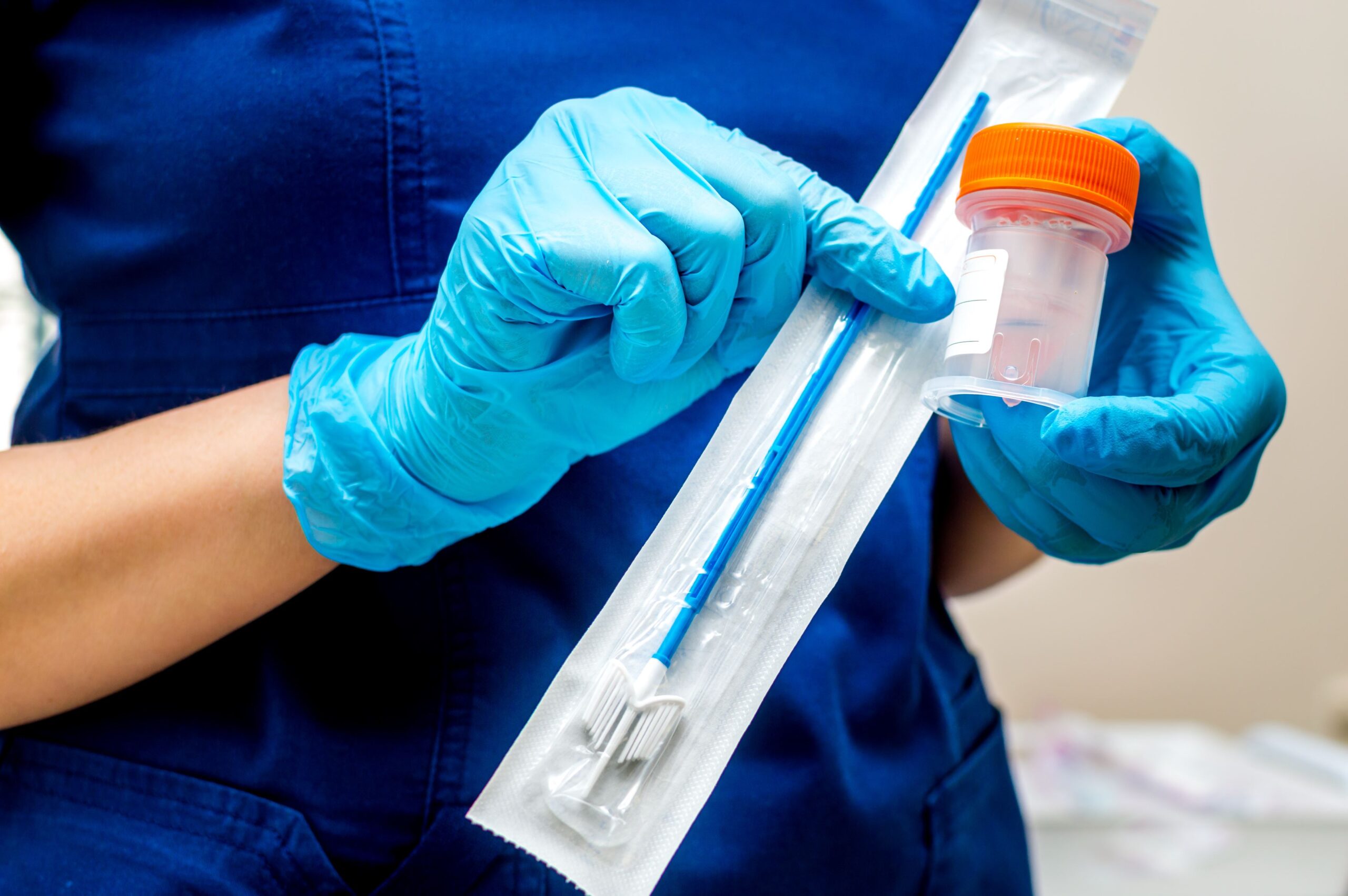
A Pap Smear, also known as a Pap test, is a screening procedure to detect abnormal cells in the cervix. During a Pap Smear, cells from the cervix are collected and examined under a microscope to look for signs of cervical cancer or other abnormalities. It is a quick and relatively painless procedure that can be done during a routine gynecological exam.

Why Are Pap Smears Important?

Pap Smears are essential because they can help detect cervical cancer in its early stages when it is most treatable. Cervical cancer is one of the most common cancers in women worldwide, but with regular Pap Smears, it can be caught early before it progresses. Pap Smears can also detect other infections or abnormalities in the cervix that may require further treatment.

How Often Should You Get a Pap Smear?

The frequency of Pap Smears depends on your age and risk factors. Generally, most women should start getting regular Pap Smears around age 21 and continue every 3-5 years, depending on their situation. Your healthcare provider will recommend an appropriate screening schedule based on age, medical history, and potential risk factors.

What to Expect During a Pap Smear

During a Pap Smear, you will lie on an exam table with your feet in stirrups while your healthcare provider inserts a speculum into your vagina to access the cervix. They will then use a small brush or spatula to collect cells from the cervix for testing. While some women may experience mild discomfort during the procedure, it typically only takes a few minutes to complete.

Arlington Pap Smears

If you’re in Arlington, TX, and looking for compassionate, professional care for your next Pap smear, look no further than Urgentology Care. Our experienced team is dedicated to providing you with a comfortable and informative experience. Don’t let uncertainty hold you back from taking this important step in your health maintenance. Contact us today at (817) 799-7273 to schedule your appointment and take control of your gynecological health.

Everything You Need to Know About Tetanus

Everything You Need to Know About Tetanus

Understanding Tetanus: An In-Depth Look

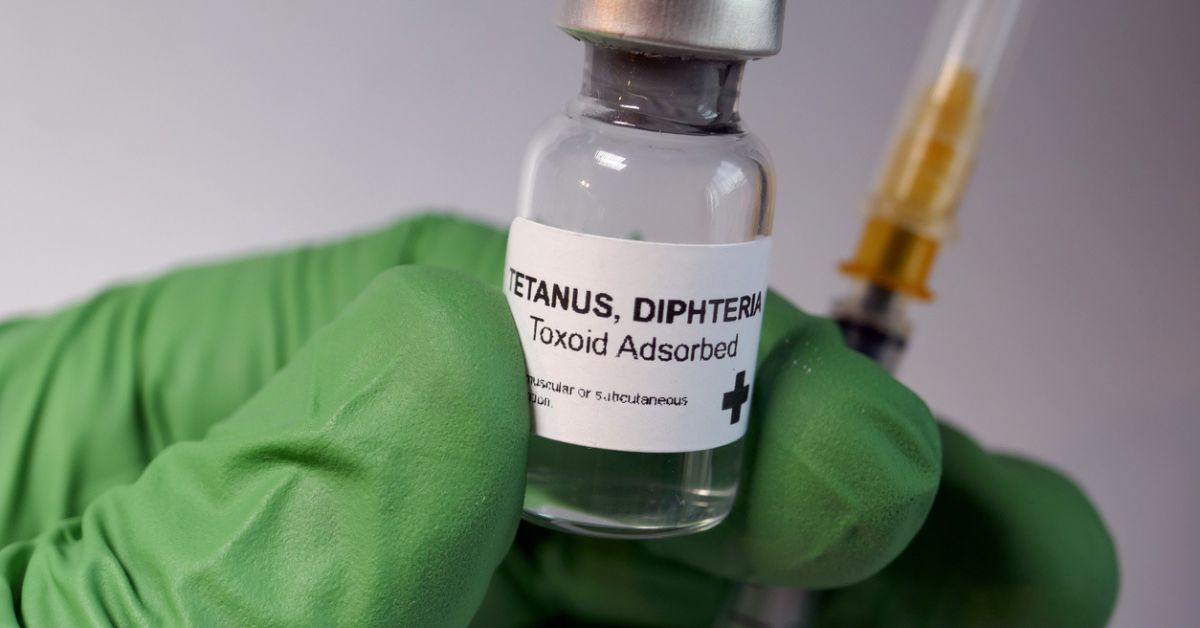
Tetanus, often referred to as lockjaw, is a serious bacterial infection that causes painful muscle stiffness and spasms. It’s not as common as it once was, thanks to the development of the tetanus vaccine, but it’s still a health concern that everyone should be aware of. Understanding what tetanus is and how it affects the body is the first step toward prevention.

Tetanus is a non-communicable disease caused by the bacterium Clostridium tetani. This bacterium produces a toxin that affects the nervous system, leading to severe muscle stiffness and spasms. It’s a potentially life-threatening condition if not treated promptly and effectively. Tetanus can affect individuals of any age, but it’s particularly dangerous for those with compromised immune systems and the elderly.

How Tetanus Affects the Body

Tetanus affects the body by interfering with the normal functioning of the nerves. The tetanospasmin toxin binds to nerve endings, blocking the release of neurotransmitters, chemicals that nerves use to communicate with each other.

This blockage disrupts normal muscle contractions, leading to the characteristic stiffness and spasms of tetanus. In severe cases, it can lead to serious health complications, including respiratory failure and death.

Tetanus Transmission: How It Spreads

Understanding how tetanus spreads is crucial for its prevention. Unlike many other bacterial infections, tetanus is not spread from person to person. Instead, it’s contracted through exposure to the spores of the Clostridium tetani bacterium, usually through a wound or cut.

Common Ways of Contracting Tetanus

The most common way of contracting tetanus is through a wound or cut that comes into contact with soil, dust, or animal feces contaminated with Clostridium tetani. Deep wounds or puncture wounds, like those caused by nails or knives, are particularly susceptible as they provide an ideal anaerobic environment for the bacterium to thrive.

However, even minor injuries like burns, scratches, or animal bites can potentially lead to tetanus if they’re contaminated with the bacterium.

Recognizing the Signs of Tetanus: From Mild to Severe

The first sign of tetanus is often a tightening of the jaw muscles, which is why it’s commonly referred to as lockjaw. Other symptoms can include stiffness in the neck and abdomen, difficulty swallowing, and painful body spasms triggered by minimal stimuli, like a draft of air. Symptoms usually appear 7 to 10 days after the bacterium enters the body, but this incubation period can range from 3 days to several weeks.

Tetanus Treatment and Management

Once tetanus has been diagnosed, immediate interventions are necessary to manage the symptoms and prevent complications. The treatment for tetanus typically involves a combination of medications to control symptoms, neutralize the toxin, and eliminate the bacterium.

Immediate Interventions for Tetanus: First Aid and Beyond

If you suspect you or someone else has tetanus, it’s important to seek medical help immediately. In the meantime, try to keep the person calm and comfortable. If the person has a wound, clean it with soap and water and apply an antiseptic if available. At Urgentology Care, we provide immediate care for tetanus, including wound care, medications, and supportive treatments.

Medical Treatments for Tetanus: Drugs and Therapies

The primary treatments for tetanus include tetanus immunoglobulin to neutralize the toxin, antibiotics to kill the bacterium, and muscle relaxants to control spasms. In severe cases, a person with tetanus may need to be hospitalized and may require a ventilator to assist with breathing. Pain management is also an important part of tetanus treatment, as the muscle spasms can be extremely painful.

Contact Our Doctors at Urgentology Care

At Urgentology Care, we’re committed to helping you stay healthy and safe. If you have any concerns about tetanus, whether it’s about prevention, symptoms, or treatment, don’t hesitate to reach out to us.

Our team of healthcare professionals is here to provide the care and information you need. Contact us today to schedule an appointment or to learn more about our services. (817) 799-7273

Sun Poisoning: Everything You Need to Know

Sun Poisoning: Everything You Need to Know

As the warmth of summer beckons us to enjoy outdoor activities, it’s important to remember that prolonged sun exposure can have harmful effects on our skin. Sun poisoning is a common condition caused by overexposure to the sun’s ultraviolet (UV) rays.

In this guide from Urgentology Care, we’ll explore the symptoms, causes, and treatment options for sun poisoning, as well as prevention tips and how to recognize severe cases.

Symptoms of Sun Poisoning

The symptoms of sun poisoning can vary depending on the severity of the burn but commonly include:

  • Redness and swelling of the skin
  • Pain or tenderness
  • Itching and tingling
  • Blisters
  • Peeling skin
  • Nausea and headache
  • Fatigue and dizziness

In severe cases, sun poisoning can also cause fever, chills, and dehydration and may require medical attention.

Causes of Sun Poisoning

Sun poisoning is caused by overexposure to the sun’s UV rays. Factors that can increase the risk of developing sun poisoning include:

  • Spending prolonged periods of time in direct sunlight without protection, especially during peak sun hours (10 am to 4 pm).
  • Not using sunscreen or using sunscreen with a low SPF (sun protection factor).
  • Having fair skin that is more susceptible to sunburn.
  • Taking medications that increase sensitivity to UV rays, such as certain antibiotics, diuretics, and acne medications.
  • Engaging in outdoor activities like swimming or hiking without proper sun protection.
  • Living in or traveling to high-altitude areas where UV radiation is stronger.

Treatment & Prevention of Sun Poisoning

If you suspect that you have sun poisoning, it’s important to take immediate action to alleviate the symptoms and prevent further damage to your skin. Here are a few ways to avoid and treat sun poisoning:

  1. Get out of the sun: Move to a shaded area or go indoors to avoid further exposure to the sun’s rays.
  2. Cool compresses: Apply cool, damp compresses or take cool showers to soothe the skin and reduce inflammation.
  3. Moisturize: Apply aloe vera or moisturizer with calming ingredients like chamomile or calendula to help hydrate the skin.
  4. Over-the-counter pain relievers: Take over-the-counter pain relievers like ibuprofen or acetaminophen to help reduce pain and discomfort.
  5. Stay hydrated: Drink plenty of water to replenish fluids lost due to sun exposure and prevent dehydration.
  6. Avoid tight clothing: Avoid wearing tight clothing over sunburned skin as it can cause further irritation.
  7. Use sunscreen: Apply a broad-spectrum sunscreen with a high SPF (at least 30) generously all over your exposed skin, including your face, neck, and ears. Reapply every two hours or immediately after swimming or sweating.
  8. Wear sunglasses: Wear sunglasses that block 100% of UVA and UVB rays to protect your eyes from harmful UV radiation.

Recognizing Severe Cases

While most cases of sunburn can be treated at home with self-care measures, it’s important to recognize when a case of sun poisoning may be severe. Seek medical help if you experience any of the following symptoms:

  • Severe pain and blistering
  • Swelling of the face, lips, or eyelids
  • High fever and chills
  • Nausea, vomiting, and headache
  • Signs of dehydration such as dizziness, confusion, or decreased urination

These symptoms may indicate a more severe form of sun poisoning that requires immediate medical attention. Delaying treatment can lead to serious complications such as sunstroke, heat exhaustion, or even long-term damage to the skin.

Summertime Urgent Care Services

If you or a loved one find yourself sick or injured this summer, pay the Urgentology Care team a visit. Our services are here to keep the whole family safe and healthy this season. Contact us today to learn more!

The Importance of Good Kidney Health

The Importance of Good Kidney Health

Your kidneys are one of the most important organs in your body. As such, their well-being should be a priority as you make lifestyle changes and develop healthy habits. Let’s take a look at the importance of our kidneys and how you can ensure yours are in good health.

What Do Kidneys Do?

Kidneys play a vital role in the body, as they are responsible for filtering out waste and toxins from the bloodstream. They regulate fluid levels, maintain electrolyte balance, produce hormones to control blood pressure and red blood cell production, and activate vitamin D synthesis, improving your bone health. Each of these functions works together to maintain a healthier and happier you!

Common Kidney Health Problems

Good kidney health is important because it helps keep your entire body functioning properly. Some of the most common problems associated with poor kidney health include:

  • High blood pressure.
  • Chronic kidney disease.
  • Kidney infections caused by bacteria or viruses.
  • Loss of kidney function due to dehydration, diabetes, urinary tract infections, and other medical conditions.

Kidney Symptoms To Be Aware Of

Recognizing issues with your kidneys early on can help with the early detection of more serious conditions such as kidney disease. If you experience any of the following symptoms, it is important to get checked out by a doctor right away:

  • Dark urine.
  • Swelling in ankles or feet.
  • Pain in the back or side near the kidneys.
  • Extreme fatigue.
  • Difficulty urinating or frequent urination.

Taking Care of Your Kidneys

It’s important to take care of your kidneys by making sure you stay hydrated, eat a healthy, balanced diet, and attempt to exercise regularly. Additionally, it’s a good idea to cut out habits such as smoking and excessive alcohol consumption, as these can place extra strain on your kidneys.

Finally, take care of your kidneys by attending your regularly scheduled doctor’s visits. These visits are designed to help maintain your overall wellness and detect any issues as early as possible in order to begin treatment and get on the road to better health.

Take Action Today!

By taking steps to maintain healthy kidney function, you’ll be helping your body stay healthy and in top condition. Begin making choices today that will benefit your kidney health, and visit our team at Urgentology Care when experiencing urgent symptoms
 

Ease Into a Healthier New Year

Ease Into a Healthier New Year

Achievable New Year’s Resolutions

The new year is a time for new beginnings, and many people use this time to make resolutions to improve their health. However, making such big changes can be intimidating, and it’s easy to give up before you even start.

The Urgentology Care team is here to help you ease into a healthier lifestyle by starting slow and working your way up to your goals in 2023. We’ll provide tips on how to set realistic goals and how to stay motivated throughout the process. So if you’re ready to make a change but don’t know where to start, read on!

Think About Your Goals

First, take some time to think about the changes you’d like to make. Are you looking to lose weight, eat healthier foods, or exercise more? Write down a few realistic goals that you can work towards in the coming year. It’s important to be honest with yourself and set achievable goals – trying to do too much too soon will only lead to frustration.

Create a Plan

Once you have your goals in place, the next step is to create a plan of action. Break down each goal into smaller steps and figure out when you’ll work on each one. Having an organized plan will help keep you motivated and on track. It’s also important to remember that progress takes time – don’t expect to reach your goals overnight! Begin with small adjustments, like going on two walks a week or only ordering take-out on Saturday nights. Once you’ve grown accustomed to these changes, increase their frequency until you reach your ideal goal!

Find a Resolution Buddy

Another great way to stay motivated is to get a buddy. Find someone who also wants to make a healthy lifestyle change and work together to reach your goals. You can encourage each other and share your successes along the way. Having someone by your side will make the process much easier and a lot more enjoyable.

2023 brings about exciting opportunities for change, and with these tips, you can start the process off on the right foot. With these simple steps, you’ll be well on your way to creating a healthier lifestyle this year.

Another important step in improving your health is seeking medical care as needed! Our urgent care team is ready to help you stay safe and healthy this year as you work to achieve your goals! Learn more about our services and visit our team today.

Bringing Your Elderly Loved One to the Doctor

Bringing Your Elderly Loved One to the Doctor

Health Advice for Your Aging Loved One

When it comes to our elderly loved ones, their health should always be our number one priority. As we age, our health tends to decline, leaving us more vulnerable to chronic conditions and disease. Sometimes, it can be challenging to know when and how to bring them to the doctor. Here are the most common reasons why elderly patients go to an urgent care and how to help:

Common Conditions in Elderly Patients

Urinary tract infections

Elderly patients are more susceptible to urinary tract infections (UTIs) because their bladder muscles may not work as well as they used to. This can cause bacteria to build up and eventually lead to pain when urinating — a common sign of a UTI.

Falls

Falls are another common problem for elderly patients. Because of this reason, elderly patients can also suffer from injuries such as a break or a sprain, which can often be more severe than those sustained by younger people. It is essential to get medical attention for any injuries, no matter how minor they may seem.

Cold & Flu Symptoms

Elderly patients often go to the doctor when they are not feeling well and are experiencing cold or flu-like symptoms. This could be a sign of a severe illness, and it is vital to get checked out by a doctor. Like falls and other medical conditions, contracting infections such as COVID-19 or the flu at an older age could mean more severe symptoms.

Medication Side Effects

Elderly patients often need to take different medications than younger patients. This can lead to health complications if the medications are not taken correctly. Elderly patients need to see a doctor regularly to ensure that their medication regimen is safe and effective.

Ensuring Your Loved One Gets to the Doctor

One of the most important things that family members can do for their elderly loved ones is to ensure they get the necessary medical care. This includes bringing them to the doctor for urgent care when needed and having regular physicals to monitor their health regularly.

Family members should watch their elderly loved ones and look out for any signs that they may not be feeling well, whether your family member lives at home or alone. This also means monitoring any changes in the patient’s behavior or mood. Daily, you can help ensure the patient stays hydrated, eats healthy foods, and keeps track of any medication your loved one is taking.

Family Urgent Care Services in Arlington

At Urgentology Care, we dedicate ourselves to offering the best medical care for you and your entire family. From flu shots to treating a wide range of conditions, we’re here to help.

If you have any questions about our services, contact us today: (817) 799-7273

Facts About Caffeine and Your Health

Facts About Caffeine and Your Health

The Impact Caffeine Has on Your Health

Whether you’re a coffee lover or prefer to drink energy drinks, caffeine is in many of the beverages we consume regularly. And while caffeine has benefits for your health, too much could be a detriment.

Benefits of Caffeine Consumption

Beyond being a part of your morning routine, consuming caffeine in the form of coffee, foods, tea, naturally sourced plants, or other beverages has additional health benefits. When consumed in a moderate amount, caffeine can help:

  • Increase weight loss
  • Support cognitive function
  • Increase alertness
  • Improve sports performance
  • Reduce risks of Parkinson’s and Alzheimer’s, kidney stones, oral cancers, strokes, and diabetes
  • Protect against vision issues such as cataracts and spasms

Caffeine can also be prescribed over-the-counter (OTC) to treat tiredness and drowsiness, and can also be used to improve the effectiveness of pain relief medications.

Negatives of Too Much Caffeine

Because many of us love our lattes and iced coffee beverages so much, we rarely stop to think about the fact that caffeine is a stimulant drug. In fact, it’s the most commonly used drug in the world. Millions consume it daily to increase feelings of wakefulness, concentration, and focus, and decrease feeling fatigue or groggy. Caffeine can have negative health consequences, affecting:

  • Interference with other medications and supplements
  • Pregnancy and breastfeeding
  • Fertility
  • Glucose control
  • Depression
  • Gout
  • Bladder problems (incontinence)
  • Insomnia
  • Headaches and migraines

Drinking too much caffeine on a regular basis can also cause side effects such as:

  • Jitters
  • High blood pressure
  • Anxiety
  • Heartburn
  • Fast heartbeat

In addition, caffeine combined with alcohol can be very dangerous, and consuming too much caffeine in the form of powder can be life-threatening.

Limiting Your Intake

Wondering how much is too much? According to the Food and Drug Administration (FDA), a maximum intake of 400 mg a day of caffeine is recommended daily — or two to three cups of coffee.

Family Urgent Care Services in Arlington

If you are on any medications, remember to speak to your doctor about caffeine consumption. No matter your health concern — our team at Urgentology Care is here to help. Stop in today for a walk-in appointment, or call to make an appointment. (817) 799-7273

Everyday Heart Health Tips

Everyday Heart Health Tips

Protecting Your Heart Health

Taking preventative care of our bodies is an important part of living a happy, healthy life. Because it’s one of your body’s most vital organs, protecting heart health is vital.

The term “heart disease” refers to several types of heart conditions that can often be prevented or managed through the following tips:

Change Your Lifestyle Habits

Studies have shown that a poor lifestyle can increase your risks of developing certain diseases. Called “lifestyle diseases,” preventable chronic diseases can often progress due to poor habits such as a sedentary lifestyle, smoking, and excessive drinking.

One of the most common chronic diseases from poor lifestyle choices is cardiovascular (heart) disease. To support your heart health, consider eating a heart-healthy diet, controlling blood pressure and cholesterol, and including more movement and exercise.

Reduce Stress

In addition to being more active and eating well, it’s important to reduce stress. Did you know that heart attacks are more common on Mondays? This may be because the beginning of the week seems to cause people more stress — and your stress hormones tend to be higher in the morning. A rise in blood pressure, heart rate, and stress hormones can all break pockets of plaque and cause a blockage to your heart.

Consider making changes to your routine and pick up a mindful and relaxing hobby such as yoga, meditation, reading, or another creative option to help lower your stress levels.

Know Your Medical History

Another important aspect of improving your health is knowing your own medical history. About 18.2 million adults aged 20 and older have coronary artery disease, while 805,000 adults have a heart attack each year. If you’re aware of heart conditions that run in your family or have been noted previously by your doctor, you’ll have more information on how to adjust your habits and support your health.

Often, your primary care physician will recommend further testing and possible evaluation by a specialist if needed to determine your risks of heart disease or another chronic condition.

Increased Risks

While both men and women can form heart disease, there are some risk factors that contribute to a higher chance of the condition, including:

  • Being male
  • Older age
  • Being postmenopausal
  • Smoking
  • High cholesterol
  • High blood pressure
  • Physical inactivity
  • Obesity
  • Uncontrolled diabetes
  • High C-reactive protein
  • Uncontrolled stress, depression, and anger
  • Poor diet
  • Alcohol use

Men vs. Women

In addition to knowing your family history, it’s important to know that the signs of a heart attack can differ between men and women. Typically, women may experience uncomfortable squeezing, pressure, or pain in the center of the chest, arms, back, neck, jaw, or stomach. They may also experience shortness of breath and nausea.

Men, on the other hand, experience more traditional heart attack symptoms such as chest pain, discomfort, and pressure. Pain may also be prevalent in the arms, neck, back, and jaw, as well as shortness of breath, sweating, and discomfort that mimics heartburn.

Receive Routine Medical Care

Remember, knowing your family history is important — but so is receiving routine medical care. You should see your doctor for regular physicals and tests to make sure your ticker is in tip-top shape.

When Would I Need an EKG?

Your doctor can perform a number of tests to check your heart health, very commonly including an electrocardiogram (EKG). An EKG is one of the primary tools used to diagnose arrhythmias (irregular heartbeats), heart attacks, and many other heart disorders. Your doctor may recommend an EKG test if you are experiencing the following symptoms:

  • Chest pain
  • Rapid heartbeat
  • Shortness of breath
  • Chronic fatigue
  • Difficulty exercising
  • Dizziness or lightheadedness

If you have experienced these symptoms or have a family history of heart disease, an EKG may be an appropriate test for you.

Family Urgent Care Services in Arlington

No matter your health concern — our team at Urgentology Care is here to help. We will ensure you get an accurate diagnosis and the appropriate treatment for your illness. Stop in today for a walk-in appointment, or call to make an appointment. (817) 799-7273

When Would I Need an EKG?

When Would I Need an EKG?

Using Electrocardiograms to Monitor Your Heart Health

Keeping your heart healthy is one vital step in living a healthy and long life, and regular testing is one way to detect signs of cardiac concerns. An electrocardiogram (ECG) is one of the simplest and fastest tests used to evaluate your heart. Keep reading to learn when you may need to undergo cardiac testing:

What is an ECG?

An ECG uses electrodes that are placed at certain spots on the chest, arms, and legs. These electrodes measure the natural electrical activity of your heart to show how fast your heart is beating, its rhythm, and how irregular your heart’s electrical activity is.

An ECG can be used to diagnose arrhythmias (irregular heartbeats), heart attacks, and many other heart disorders. Your doctor may recommend an ECG test if you are experiencing the following symptoms:

  • Chest pain
  • Rapid heartbeat
  • Shortness of breath
  • Chronic fatigue
  • Difficulty exercising
  • Dizziness or lightheadedness

If you have experienced these symptoms or have a family history of heart disease, an ECG may be an appropriate test for you. Our team at Urgentology Care can provide an ECG in-house at our urgent care center.

Cardiac Urgent Care Services in Arlington

No matter your health concern — our team at Urgentology Care is here to help. We will ensure you get an accurate diagnosis and the appropriate treatment for your illness. Stop in today for a walk-in appointment, or call to make an appointment. (817) 799-7273