Preventing the Common Cold

Preventing the Common Cold

Staying Healthy During Cold and Flu Season

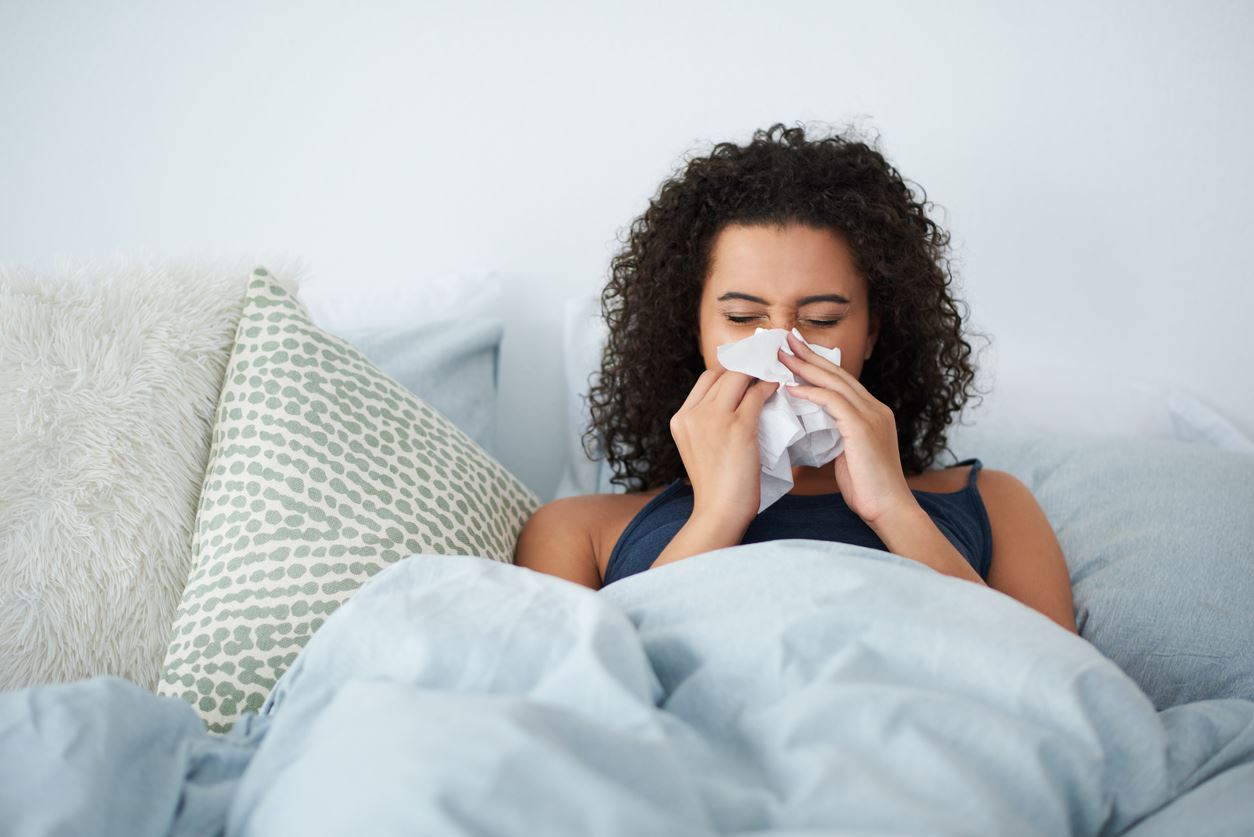
Catching a cold doesn’t just affect your health — it affects your work, school, and social life as well. The Centers for Disease Control and Prevention (CDC) estimates that adults get about 2-3 colds per year, and children get 8-12 colds per year. Protect your health by following these tips from our urgent care experts.

Ways to Reduce Your Risk of Contracting a Cold

1. Wash Your Hands Often (and Properly)

Nearly 95% of individuals do not know how to properly wash their hands, according to the CDC. Wash your hands:

  • Before you eat.

  • After blowing your nose.

  • Whenever they appear soiled.

  • After being in a large public space.

  • After you go to the restroom.

Wash your hands with these steps:

  • Wet your hands with clean, warm, running water.

  • Apply soap and lather your hands by rubbing them together.

  • Scrub your hands for at least 20 seconds — sing a song to help the time go by!

  • Rinse your hands and dry them off with a clean towel.

2. Avoid Touching Your Face

Do you remember your mother telling you not to touch your face when you’re out and about at the park or the store? Though you may have thought she was nagging you, she was trying to prevent the spread of germs to your nose, eyes, and mouth. Never touch your face when out in communal spaces or when exposed to a person who is sick. And don’t forget to wash your hands!

3. Keep Household Surfaces Clean

If we asked you what the dirtiest household surface was in your home, you might say under your couch. However, commonly used surfaces such as countertops, phones, faucet handles, and doorknobs carry the most germs. Viruses can stay on a surface for hours after being touched by a sick family member. Clean these areas with soap, water, bleach, or a disinfectant cleaner to keep them germ-free.

4. Maintain a Healthy Lifestyle

It’s essential to fuel your body with the proper amount of sleep and vitamin-rich foods to support your immune system. Strive to get at least 8 hours of sleep a night, and eat a balanced diet of fruits, vegetables, and proteins.

5. Reduce Stress

Just reading that probably either made you laugh or become more stressed out. Studies show that when we experience stress, we release a hormone called cortisol. This hormone has anti-inflammatory properties, and an over-production can cause your immune system to become resistant to it. Your body will be less able to fight off the cold virus because your anti-inflammatory shield is not working as it should be. Try doing these things to help you to relieve stress and relax:

  • Read a book

  • Exercise

  • Meditate or take a yoga class

  • Go for a walk outside

  • Watch a movie

  • Spend time with loved ones

Seek Treatment For Your Cold Symptoms

If you do find yourself feeling ill, trying to self-diagnose yourself is never easy. We encourage you to get checked if you have any symptoms of a cold, flu, or strep throat.

At Urgentology Care, our team will ensure you get an accurate diagnosis and the appropriate treatment for your illness. Give us a call at (817) 799-7273 or stop in today for an appointment.

Common Allergy Symptoms: Ways to Prevent or Treat Them

Common Allergy Symptoms: Ways to Prevent or Treat Them

Living with allergies can sometimes feel like you’re always on the lookout for something you can’t control. Whether you’re allergic to gluten, pet dander, or pollen, having an allergy means being proactive in order to reduce your risk of a reaction. That’s why it’s important to recognize the symptoms of your allergies and know how to prevent and treat them.

Common Allergy Symptoms

Reactions can range from mild sniffling to life-threatening asthma. Some of the most common allergy symptoms are:

  • Skin rashes or hives

  • Sneezing, coughing, itchy throat and eyes, or a runny nose

  • Difficulty breathing or shortness of breath (possible asthma)

  • Nausea or an upset stomach

You can become allergic to almost anything, at any age. Overall, there are some allergens that affect more children and adults on average, including:

  • Environmental (Outdoor): Plant pollen, tree nuts, grass, insect bites or stings.

  • Foods: Peanuts, eggs, milk, and milk products, shellfish, soy, wheat and gluten

  • Medications: Nonsteroidal anti-inflammatory drugs such as ibuprofen and naproxen; antibiotics such as amoxicillin, penicillin, and others.

  • Indoors/Other: Pet hair or dander, dust miles, mold and mildew, latex.

8 Ways to Treat and Prevent Allergy Symptoms

When you’re diagnosed with allergies, you may have to make some lifestyle changes. This may mean being more aware of the foods you eat or how you vacation outdoors. Here are a few ways you can prevent and treat your allergy symptoms:

1. Know Your Triggers

To determine whether or not you have allergies, you should consult a doctor for allergy testing. Being sure what you are allergic to and what your triggers are is the best way to steer clear of allergens that affect your health. You may want to make a running list on your phone to take with you on vacation, especially if you have food allergies. Once you know your triggers, you can form a plan to avoid them or limit your exposure.

2. Clean Your Home Frequently

We bring plenty of outdoor allergens into our homes and live with indoor irritants such as pet dander or dust. A clean home is one of the best ways to ease your symptoms. To keep allergens at bay keep high traffic areas clean. Areas where you and your family spend most time, such as in bedrooms and living rooms, should be kept dust-free. Pay special attention to rooms with high moisture and humidity, such as your bathroom.

In addition to cleaning often, you may want to consider switching to natural products. Harsh chemicals can irritate your nasal passages, your skin, and aggravate your symptoms. Using natural cleaning solutions such as vinegar or baking soda or investing in a vacuum cleaner with a HEPA filter are all ways to mitigate the risk of an allergy attack.

3. Try Prescription or Over-The-Counter Medicines

There are different antihistamines that are available by prescription and over the counter. These medications help to reduce sneezing, runny noses, itchy throats, and watery eyes — which are all common allergy symptoms. The most common over the counter allergy medicines include Zyrtec, Claritin, and Benadryl. If you find that you aren’t seeking relief from generic medication, you may need a prescription for something stronger. All inhalers require a prescription from your doctor.

In addition to generic antihistamines, prescription steroid nose sprays such as Flonase can help to reduce swelling in the nose. For extremely sensitive or watery eyes, you may want to ask your doctor for an eye drop prescription. This will help to reduce what is referred to as allergic conjunctivitis.

4. Consider Allergy Shots (Allergy Immunotherapy)

Allergy shots can help relieve patients who have tried all other options. Your allergist will administer small amounts of the substances you are allergic to in the form of a shot. While this may seem counterproductive, the idea is that your immune system will become desensitized to the allergens, reducing your symptoms.

5. Keep Windows Closed

If you or a family member has environmental allergies, keeping the window open on a warm day is not the best idea. Even if the pollen count is high, leaving your windows open can expose you to pollen and other allergens entering your home. Stay protected by keeping your windows and screen doors closed, and consider using a HEPA air filter on your air conditioner.

6. Stay Hydrated

If your allergies have left you feeling stuffy, try sipping on some water or tea. The extra liquid can help your body thin the mucus in your nasal passages, and give you some relief. Warm fluids have an additional benefit, as the steam will help to open up your nose.

7. Take Frequent Showers After Being Outdoors

We track a lot of environmental allergens in on our clothes without even seeing them. Pollen, animal dander, and other particles can follow us indoors and cause an instant flare-up. In order to prevent any issues, head straight to the bathroom after returning from a day spent outside. Showering is the best way to ensure your skin is clean. Be sure to leave your shoes in the entryway and put your clothes straight into the hamper!

8. Be Prepared

In the event that you do have an allergic reaction, it’s important to be prepared. Be sure to do each of the following:

  • Know what to do during an allergic reaction

  • Wear your medical alert bracelet

  • Keep an epi-pen on hand

Visit Your Doctor To Manage Your Allergies

If you suffer from allergies, it’s important to work with your doctor and set up a treatment plan. At Urgentology Care, our compassionate and knowledgeable medical team will evaluate and treat your allergy symptoms right away. Contact us today to schedule an appointment.