
The Importance of Pap Smears

The Importance of Pap Smears

Understanding Pap Smears

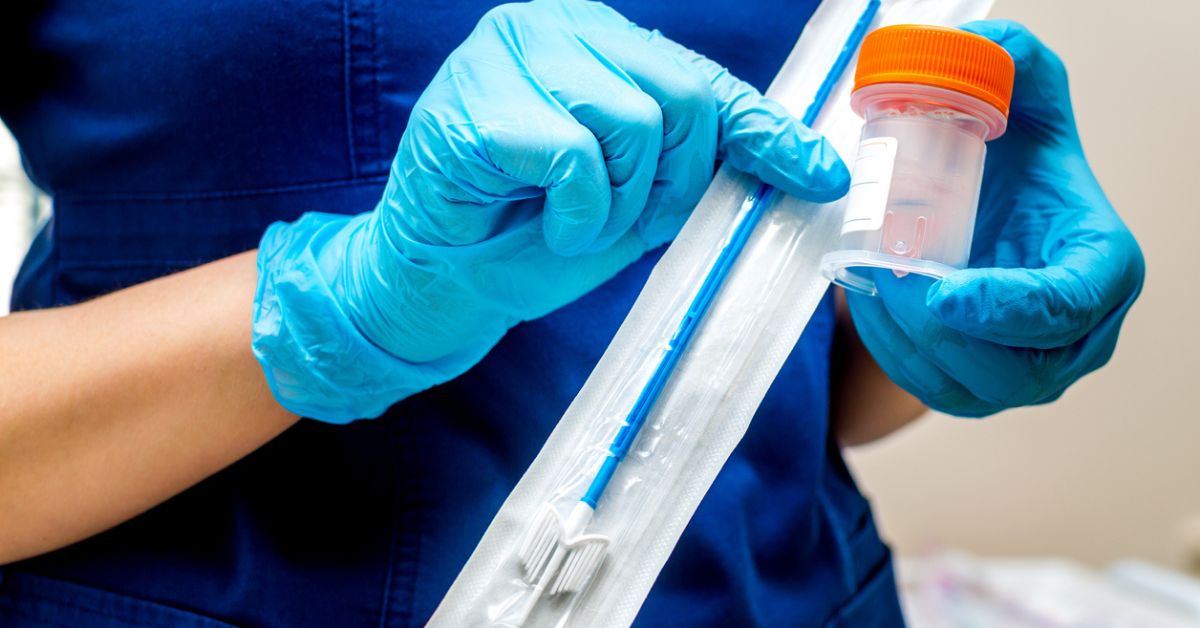
When it comes to women’s health, Pap smears play a crucial role. But what exactly is a Pap smear, and why is it so important? A Pap smear, also known as a Pap test, is a medical procedure used to screen for cervical cancer in women. It works by collecting cells from your cervix — the lower, narrow end of your uterus that’s at the top of your vagina. The main purpose of a Pap smear is to detect abnormal cells in the cervix that could suggest cervical cancer. Early detection is key in managing and treating this type of cancer, making Pap smears a vital part of a woman’s health regimen.

The Procedure: What to Expect During a Pap Smear

The thought of a Pap smear can be daunting, especially if you’ve never had one before. However, the procedure is relatively quick and simple. During a Pap smear, a healthcare provider will use a small brush or spatula to scrape cells from the cervix gently. These cells are then sent to a lab for analysis. While the procedure may cause slight discomfort, it’s generally not painful. Knowing what to expect can alleviate any anxiety or fear you may have about getting a Pap smear.

Frequency: How Often Should You Get a Pap Smear?

The frequency of Pap smears can vary depending on your age and health history. However, the general recommendation is that women should start getting Pap smears at age 21, and continue getting them every three years if the results are normal.

After age 30, women may choose to have a Pap smear every five years if it’s combined with a human papillomavirus (HPV) test. Regular Pap smears are crucial in detecting any changes in your cervical health early.

Early Detection: How Pap Smears Can Save Lives

Pap smears are a powerful tool in the early detection of cervical cancer. By identifying abnormal cells before they become cancerous, Pap smears provide the opportunity for early intervention and treatment. This can significantly increase the chances of successfully treating cervical cancer. In fact, according to the American Cancer Society, cervical cancer can be prevented or found early through regular Pap smears.

Pap Smears and HPV: Understanding the Connection

Human papillomavirus (HPV) is a common sexually transmitted infection that can cause cervical cancer. Pap smears play a crucial role in detecting HPV. If you test positive for HPV, your healthcare provider will monitor your cervical health more closely to prevent the development of cervical cancer. Understanding the connection between HPV and cervical cancer can highlight the importance of regular Pap smears.

Contact Our Medical Professionals at Urgentology Care

If you’re in the Arlington, TX area and need a Pap smear, or have any questions about the procedure, don’t hesitate to contact us at Urgentology Care.

We’re here to provide you with the care you need, when you need it. Remember, regular Pap smears are a crucial part of maintaining your health. Don’t put off this important screening – contact us today. (817) 799-7273

What Are Musculoskeletal Disorders and How Does Joint Injection Therapy Help?

What Are Musculoskeletal Disorders and How Does Joint Injection Therapy Help?

Definition of Musculoskeletal Disorders

Musculoskeletal disorders (MSDs) are conditions that affect the body’s muscles, bones, ligaments, tendons, and nerves. These disorders can disrupt a person’s daily activities and significantly impact their quality of life. They can occur for various reasons, including injury, overuse, or the natural aging process.

Common Types of Musculoskeletal Disorders

There are several types of MSDs, each with its own set of symptoms and treatment options. Some of the most common include arthritis, back pain, osteoporosis, and carpal tunnel syndrome. These conditions can cause a range of symptoms, from mild discomfort to severe pain and disability.

Recognizing the Symptoms of Musculoskeletal Disorders

The symptoms of MSDs can vary widely depending on the specific disorder and its severity. Common symptoms include pain, stiffness, swelling, and reduced range of motion in the affected area. Some people may also experience fatigue, difficulty sleeping, and other systemic symptoms. Recognizing these signs early can help you seek appropriate medical attention and prevent further complications.

What is Joint Injection Therapy?

Joint injection therapy is a minimally invasive procedure that involves injecting medication directly into a joint. This therapy is often used to relieve pain, reduce inflammation, and improve mobility in individuals with MSDs. The injected medication typically contains a local anesthetic for immediate pain relief and a corticosteroid to reduce inflammation over time.

Types of Joint Injections Used in Therapy

There are several types of joint injections used in therapy, including corticosteroid injections, hyaluronic acid injections, and platelet-rich plasma (PRP) injections. The type of injection used will depend on the specific condition being treated and the individual’s overall health. Your healthcare provider at Urgentology Care will discuss the best options for your situation.

Joint Injection Therapy for Improved Mobility

In addition to pain relief, joint injection therapy can also improve mobility in individuals with MSDs. By reducing inflammation and promoting healing, these injections can help restore normal joint function and allow individuals to resume their daily activities. At Urgentology Care, we have helped numerous Arlington, TX residents regain their mobility and live more active lives through joint injection therapy.

Who is a Good Candidate for Joint Injection Therapy?

Individuals with chronic joint pain or inflammation due to MSDs may be good candidates for joint injection therapy. However, the therapy may not be suitable for everyone. Factors such as overall health, age, and the severity of the condition will be considered when determining candidacy for this treatment. At Urgentology Care, we conduct a thorough evaluation to ensure that joint injection therapy is the right choice for our patients.

Contact Our Medical Professionals at Urgentology Care

If you’re struggling with a musculoskeletal disorder and are seeking effective treatment options, consider joint injection therapy at Urgentology Care. Our team of experienced healthcare professionals is dedicated to helping you manage your condition and improve your quality of life.

Contact us today to learn more about our services and how we can help you live a healthier life. (817) 799-7273

Understanding Lyme Disease

Understanding Lyme Disease

As the warmer months approach, families begin to venture outdoors to enjoy the fresh air and sunshine. However, with the great outdoors comes the risk of contracting Lyme disease, a tick-borne illness that can cause serious health complications if left untreated. Understanding Lyme disease and its symptoms is essential for families to protect themselves and their loved ones.

What Causes Lyme Disease?

Lyme disease is caused by the bacterium Borrelia burgdorferi, which is transmitted to humans through the bite of infected black-legged ticks, also known as deer ticks. These ticks are commonly found in wooded and grassy areas and can also be carried by rodents and other small animals. It’s important to note that not all ticks are infected with the bacterium, and not all tick bites lead to Lyme disease.

Symptoms of Lyme Disease

The most common symptom of Lyme disease is a distinctive “bullseye” rash, which appears at the site of the tick bite. However, not everyone with Lyme disease will develop this rash, and other symptoms may present themselves instead. These symptoms can include:

  • Fever
  • Headache
  • Fatigue
  • Muscle and joint pain
  • Swollen lymph nodes

In severe cases, Lyme disease can lead to neurological problems, such as meningitis, and heart problems.

Treatment for Lyme Disease

If you suspect you may have Lyme disease, it’s important to seek medical attention as soon as possible. Early detection and treatment can greatly reduce the risk of serious complications. Your healthcare provider may prescribe antibiotics to help clear the infection.

Preventing Lyme Disease

Preventing Lyme disease starts with taking steps to avoid tick bites. When spending time outdoors in wooded or grassy areas, wear long-sleeved shirts and pants, tuck pant legs into socks or boots, and use insect repellent containing at least 20% DEET. It’s also important to do regular tick checks, both on yourself and your pets. If you find a tick, remove it carefully using tweezers and disinfect the bite site.

By taking steps to avoid tick bites and doing regular tick checks, you can greatly reduce your risk of contracting Lyme disease. If you do experience symptoms of Lyme disease, seek medical attention as soon as possible at Urgentology Care!
 

Testicular Cancer: What You Need to Know

Testicular Cancer: What You Need to Know

Testicular cancer is a rare form of cancer that affects the testicles, the male reproductive organs responsible for producing sperm and testosterone. Although it is a relatively rare form of cancer, it is important to be aware of its signs and symptoms, as early detection and treatment can increase the likelihood of successful treatment. This blog post aims to provide readers with a better understanding of testicular cancer, including its risk factors, symptoms, and prevention strategies.

What is Testicular Cancer?

Testicular cancer is a type of cancer that occurs in the testicles, which are located inside the scrotum. It usually starts as a painless lump or swelling on one testicle, which may be accompanied by a feeling of heaviness or discomfort. Testicular cancer can be of different types, but the most common type is germ cell tumors, which originate in the cells that produce sperm. Germ cell tumors can be further classified into seminomas and non-seminomas.

Seminomas are tumors that develop from germ cells that produce sperm and are usually slow-growing and sensitive to radiation therapy. They are also more likely to occur in older men.

On the other hand, non-seminomas are tumors that develop from more than one type of germ cell and are usually faster growing and less responsive to radiation therapy. Non-seminomas can also produce higher levels of tumor markers in the blood, such as alpha-fetoprotein (AFP) and human chorionic gonadotropin (HCG), which can be used to monitor the progress of cancer.

Treatment for both seminomas and non-seminomas may involve surgery to remove the affected testicle, as well as chemotherapy and/or radiation therapy, depending on the stage and severity of cancer.

Risk Factors for Testicular Cancer

Although testicular cancer can occur in any man, some factors increase the risk of developing this cancer. These factors include:

  • Age: Testicular cancer is most commonly diagnosed in young and middle-aged men, with the average age of diagnosis being 33 years.
  • Family History: Men with a family history of testicular cancer are at a higher risk of developing this cancer.
  • Previous Diagnosis: Men who have previously had testicular cancer are at a higher risk of developing it again.
  • Abnormal Testicular Development: Men with a condition called cryptorchidism, where one or both testicles fail to descend into the scrotum, are at a higher risk of developing testicular cancer.
  • HIV Infection: Men with HIV infection are at a higher risk of developing testicular cancer.

Symptoms of Testicular Cancer

The most common symptom of testicular cancer is a painless lump or swelling in one testicle. Other symptoms may include:

  • A feeling of heaviness or discomfort in the scrotum
  • A dull ache in the lower abdomen or groin
  • Enlargement or tenderness of the breast tissue
  • Back pain

Prevention Strategies

While it may not be possible to prevent testicular cancer completely, there are some things men can do to reduce their risk. These include:

  • Conducting regular testicular self-exams to check for any lumps or swelling
  • Seeking medical attention if any changes or abnormalities occur
  • Quitting smoking, as it has been linked to an increased risk of testicular cancer
  • Maintaining a healthy weight and staying physically active
  • Wearing protective gear during sports or other activities that could cause injury to the testicles

Testicular cancer is a rare but serious condition that can affect men of any age. By being aware of its risk factors, symptoms, and prevention strategies, men can take steps to reduce their risk and seek medical attention if needed. Men must listen to their bodies and seek medical treatment as soon as possible if they notice any changes or abnormalities in their testicles. With early detection and treatment, testicular cancer can often be successfully treated.

Have you had your yearly check-up yet? If not, it’s time to schedule your next appointment. Take control of your health and well-being today!
 

Can Urgent Care Help with Constipation?

Can Urgent Care Help with Constipation?

Constipation is a common digestive problem that affects millions of people. While most cases of constipation can be treated with lifestyle changes and over-the-counter remedies, some people may experience severe symptoms that require medical attention.

This blog post aims to help those who are experiencing severe constipation understand when to visit Urgentology Care for help!

Symptoms of Severe Constipation

Constipation is usually defined as having fewer than three bowel movements per week and having difficulty passing stools. However, some people may experience more severe symptoms that require medical attention. These symptoms may include:

  • Abdominal pain or cramping
  • Nausea or vomiting
  • Bloating or distension of the abdomen
  • Rectal bleeding or hemorrhoids
  • Bowel obstruction or blockage
  • Inability to pass stools, even with straining
  • Involuntary leakage of stool

When to Seek Urgent Care

If you are experiencing severe symptoms of constipation, it is important to seek medical attention. Urgentology Care is a great option for those who need immediate medical attention but do not require emergency care. Urgent care clinics can provide a variety of treatments for constipation, including:

  • Stool softeners or laxatives: These medications can help soften the stool and make it easier to pass.
  • Enemas or suppositories: These treatments can be used to help relieve constipation by stimulating bowel movements.
  • Manual disimpaction: In severe cases, a healthcare provider may need to manually remove impacted stool from the rectum.

In addition to these treatments, healthcare providers at Urgentology Care may also offer advice on lifestyle changes that can help prevent constipation, such as increasing fiber intake, staying hydrated, and getting regular exercise.

Urgent Care Services in Arlington, TX

Constipation can be a frustrating and uncomfortable condition, but it is usually treatable with lifestyle changes and over-the-counter remedies. However, if you are experiencing severe symptoms, it is important to seek medical attention.

Urgentology Care can provide a range of treatments for constipation and other stomach-related issues and to help relieve your symptoms and prevent complications. Visit us today!
 

Why Are My Glands Swollen?

Why Are My Glands Swollen?

Glands are an important part of the immune system that help keep us healthy. When glands become swollen, it can be a sign that something is wrong. In this blog post, we will explore the various reasons why your glands might swell up, the symptoms you may experience while having swollen glands, and when to seek medical attention.

Common Causes of Swollen Glands

Infections

Swollen glands are often an indication of some sort of infection. This could include viral infections such as the common cold, flu, sinus infections, mono, and strep throat. It could, however, also be a side effect of more serious infections like chicken pox, measles, herpes, rubella, Lyme disease, and even HIV.

Immune System Disorders

If you are experiencing swollen glands across your body, it may be due to an immune system disorder. These could be autoimmune disorders like lupus, rheumatoid arthritis, and multiple sclerosis.

Cancer

It is possible for swollen glands to signal more serious conditions like cancer. If your glands appear larger than 3/4 of an inch, are hard to the touch, and have increased sensitivity, we recommend scheduling an appointment with your doctor as soon as possible for diagnosis.

When to See a Doctor

If your swollen glands are persistent or if they are accompanied by other symptoms such as fever, fatigue, body aches, and unexplained weight loss, you should seek medical attention. Your doctor can help determine the cause of your swollen glands to ensure proper treatment is administered.

It is important to pay attention to any changes in your health so that you can take the necessary precautions. If you are concerned about your glands, it is best to err on the side of caution and seek medical attention.

The Urgentology Care is here to support your family’s health when you need us most. Contact our team online or by calling (817) 799-7273 to discuss your health concerns and get the care you’re looking for today.

Women’s Heart Health: What You Need to Know

Women’s Heart Health: What You Need to Know

Every February, we celebrate “Wear Red Day” in the hopes of raising awareness about women’s heart health. According to the CDC, heart disease is the leading cause of death for women in the United States, killing over 300,000 individuals in 2020 alone.

By providing women with an understanding of this disease, and what preventative measures to take, it is possible to significantly reduce the number of deaths each year.

Symptoms of Heart Disease in Women

The most common symptoms of heart disease in women are:

  • Chest pain
  • Shortness of breath
  • Fatigue
  • Lightheadedness
  • Nausea or vomiting
  • Heartburn

It is important to note that these same symptoms can be signs of other illnesses as well. As a result, it is important to discuss any potential issues with your doctor in order to find the right diagnosis and proceed with the correct treatment plan.

Risk Factors for Heart Disease

Certain factors could increase your chances of developing heart disease, and knowing these factors is essential for prevention. These include:

  • High blood pressure
  • High cholesterol
  • Diabetes
  • Tobacco use
  • Obesity
  • Physical inactivity

These can be managed through lifestyle changes, such as eating a healthy diet and exercising regularly. If you believe you may have, or be at risk for, heart disease, discuss your concerns with your doctor as soon as possible.

Treatment Options

If heart disease has already been diagnosed, there are treatment options available that can help reduce the risk of further complications and improve quality of life. These may include lifestyle changes (such as diet and exercise), medications, or even more advanced treatments, such as angioplasty or bypass surgery.

Prevention of Heart Disease

The best way to combat heart disease is to take preventative measures. Paying attention to your risk factors and making lifestyle changes can drastically reduce your chance of developing the condition. Additionally, getting regular check-ups and seeing a doctor for any potential symptoms can be vital in catching the problem early on.

Staying educated on your health, as well as the disease itself, will also allow you to take preventative steps and limit your chances of developing heart disease.

Take Action for Your Health

Remember, you are your own best advocate when it comes to health and wellness. Stay informed about heart disease, and take the necessary steps to protect yourself and your loved ones. Together we can raise awareness of heart disease in women and help save lives.

Urgentology Care is here for all your urgent care needs. Take a look at our services, and visit us today for compassionate and comprehensive care!
 

Seasonal Depression: Causes, Symptoms, and Treatment

Seasonal Depression: Causes, Symptoms, and Treatment

Depression is a serious mental health condition that affects millions of Americans each year. While depression can occur at any time of the year, it often peaks during the winter months. This is referred to as Seasonal Affective Disorder (SAD) or Seasonal Depression.

In this blog post, we will discuss the causes, symptoms, and treatment of Seasonal Depression so you may better understand this diagnosis and begin your path to feeling better.

What Causes Seasonal Depression?

You may have heard of the “winter blues” and used it to describe that feeling you get around the same time every year. However, this change in mood could mean something more than a bad week, and it is important to take steps to address your feelings and symptoms.

Seasonal Depression can be caused by a number of factors. As the seasons begin to change, we often experience a decrease in sunlight exposure. This can disrupt the body’s natural cycle and lead to feelings of fatigue and low energy.

Seasonal Depression Symptoms

It is human nature to experience a few bad days here and there. However, if your symptoms seem to last longer than usual, it is important to make note of them and seek help as needed.

Symptoms of Seasonal Depression can vary from person to person, but there are some common signs to look out for. These include:

  • Feeling sad or down most of the day
  • Loss of interest in activities that used to be enjoyable
  • Fatigue and oversleeping
  • Changes in appetite or weight
  • Difficulty concentrating
  • A feeling of hopelessness
  • Thoughts of death or suicide

If you are experiencing any of these symptoms, it is important to reach out for help.

Seasonal Depression is a treatable condition, and there are many resources available to those who need them.

If you or a loved one is having thoughts of death or suicide, remember you are not alone. Speak to a trusted friend or doctor, or reach out to the Suicide and Crisis Lifeline by dialing 988.

Treatment for Seasonal Depression

If you think you may be experiencing Seasonal Depression, the first step is to see your doctor or mental health provider. They can help you to rule out other potential causes of your symptoms and make a diagnosis.

There are a number of treatment options available for Seasonal Depression. These can include light therapy, medication, and psychotherapy.

Light Therapy

Light therapy is often used as a first line of defense against Seasonal Depression. It involves exposure to artificial light that mimics the sunlight. This can help to regulate the body’s natural sleep cycle and improve mood.

Medication

Medication may also be prescribed to help manage symptoms of Seasonal Depression. These can include antidepressants, anti-anxiety medications, and mood stabilizers.

Therapy

Therapy is another treatment option that can be very effective for Seasonal Depression. This can involve individual, group, or family therapy. It is a chance to talk about your feelings and develop healthy coping mechanisms. The therapist may recommend medication or the use of light therapy in addition to your sessions.

Seasonal Depression is a manageable condition, and there is no need to suffer in silence. If you are experiencing any of the symptoms listed above, reach out for help today. With proper treatment, you can feel like yourself again.

If you’re in need of urgent care this holiday season, Urgentology Care is here for you. From kitchen accidents to food poisoning to the flu — visit our team for reliable care. Appointments are not necessary, however, if you feel more comfortable making one, we offer same-day appointment scheduling at our facility.

Tips for a Healthy Holiday Season

Tips for a Healthy Holiday Season

The holiday season is a time for celebration and spending time with loved ones. It can also be a challenging time to stay healthy. Between all the travel, eating out, and parties, it’s easy to let your healthy habits fall by the wayside. But don’t worry – we’ve got you covered! In this blog post, we will share tips on how to stay healthy all season long. Follow these simple guidelines, and you’ll be able to enjoy the holidays without worrying about your health!

Schedule a Check-Up

Regular check-ups are an important part of maintaining your overall health. If you haven’t had a check-up yet this year, schedule one before the holiday season kicks into gear. This is especially important if you have any chronic health conditions that need to be managed. Your doctor can help you develop a plan to stay healthy during the holidays, and will also be able to catch any potential problems early.

Practice Food Safety

Next, ensure proper food preparation. If you’re cooking for a large group, be sure to practice food safety. This means keeping hot foods hot and cold foods cold. Don’t leave food out for more than two hours, and make sure to properly clean all surfaces that come into contact with raw meat. If you’re unsure about something, err on the side of caution and throw it out.

If you happen to consume unsafe food and develop a case of food poisoning, visit our team for symptom relief.

Wash Your Hands

One of the simplest, but most effective, ways to stay healthy is to wash your hands frequently. Handwashing is especially important before you eat, after you use the restroom, and after coming into contact with anyone who is sick. Use soap and water, and scrub for at least 20 seconds. If soap and water are not available, use an alcohol-based hand sanitizer.

Vaccinations

Another key way to protect your health is to make sure you’re up-to-date on your vaccinations. This is especially important if you are over the age of 65 or have a chronic illness. The flu vaccine is available now, and it’s important to get vaccinated as soon as possible. The flu can be a serious illness, and it’s best to avoid it if you can.

There are also several other vaccines that are recommended for adults, such as the shingles vaccine and the pneumonia vaccine. Talk to your doctor about which vaccinations are right for you.

Get Plenty of Sleep

The holidays are sure to have you running around more than usual. In all the busyness, it is important to remember that sleep is an important part of staying healthy. When you’re well-rested, your body is better able to fight off infection. Aim for seven to eight hours of sleep each night. If you can’t get that much, try to take a nap during the day.

Manage Stress Levels

Finally, don’t forget to manage your stress levels. The holidays can be a stressful time for many people. If you’re feeling overwhelmed, try to take some time for yourself. Take a few deep breaths, go for a walk, or read your favorite book. Whatever helps you relax, make sure to do it!

This time of year, it is important for you to remember you’re not alone. Speak to a trusted friend, family member, or medical professional when you’re in need of help.

Urgent Care in Arlington, TX

In addition to these tips, the Urgentology Care team is here to be your health companion year-round. If you’re in need of medical attention this holiday season, visit our team as soon as possible so we can get you back to the holiday fun in no time!

Tonsillitis: Causes, Symptoms, and Treatment

Tonsillitis: Causes, Symptoms, and Treatment

Suffering from a sore throat that just won’t go away? You may have a case of tonsillitis. This infection is fairly common, however, not everyone knows and understands the causes and symptoms associated.

The Urgentology Care team is here to lay out all the facts so you and your family are ready to spot and stop a case of tonsillitis in its tracks.

What Is Tonsillitis?

Tonsillitis is an infection that inflames the tonsils. The tonsils are two small, round lumps of tissue at the back of your throat — one on each side. They’re part of your lymphatic system, which helps fight infection.

A Urgentology Care doctor will likely diagnose tonsillitis based on a physical exam and your symptoms. They may also do a rapid strep test, which involves taking a swab of your throat and checking it for bacteria.

What Causes Tonsillitis?

Tonsillitis is most commonly caused by viruses, such as the common cold or influenza (the flu). Bacteria, such as Streptococcus (strep throat), can also cause tonsillitis.

Symptoms

Tonsillitis symptoms can vary from mild to severe and usually develop over the course of one or two days. The most common tonsillitis symptom is a sore throat that gradually gets worse. Other symptoms may include:

  • Difficulty swallowing
  • Fever
  • Chills
  • Tender, swollen lymph nodes in your neck or jaw
  • White patches on your tonsils or throat
  • A sore throat that lasts more than a week
  • Painful swallowing

If you experience any of these symptoms, it’s important to contact your doctor right away.

Treatment

Certain cases of tonsillitis can be treated from home with plenty of rest, fluids, antibiotics prescribed by your doctor, and of course, plenty of popsicles and ice cream!

In some cases, an individual may develop chronic tonsillitis. If you or a loved one continuously suffer from tonsillitis infections, your doctor may recommend a tonsillectomy, an outpatient surgery in which the tonsils are removed.

Visit Your Urgent Care Team

If you’re experiencing the symptoms listed above, it is important to visit your doctor as soon as possible to begin treatment. The Urgentology Care team is standing by, waiting to help get you on the road to recovery. Visit us today and find relief!