

Strep Throat: Signs, Symptoms, and Treatment

Strep Throat: Signs, Symptoms, and Treatment

Strep throat is a very common, contagious infection that is caused by group A

Streptococcus bacteria. While it most commonly affects children between the ages of 5 and 15,

anyone is at risk. Because strep throat shares many common symptoms with

a sore throat and other illnesses, it is imperative you come into our

urgent care clinic for a proper diagnosis. This requires a rapid strep

test or throat culture, in most cases.

If left untreated, strep throat can lead to more serious complications,

including rheumatic fever and kidney inflammation. This is why it is so

important you seek treatment at our urgent care clinic. A strep test is

a very simple, quick procedure that will give us the information we need

to treat you or your child with antibiotics. Since this condition is contagious,

the last thing you want to do is ignore the symptoms, in turn getting

other people sick. In most cases, strep throat is an infection that affects

the throat and tonsils caused by group A strep bacteria. This type of

bacteria lives in the nose and throat and can easily spread to others.

However, not everyone who is infected with group A strep show symptoms.

Symptoms of Strep Throat

There are many different symptoms of strep throat, some of which will vary

from person to person. If you have strep throat, you may develop a few

or all of the following symptoms:

  • Sore throat
  • Difficulty swallowing or pain when swallowing
  • High fever
  • Chills
  • Fatigue
  • Headache
  • Red and swollen tonsils
  • Swollen lymph nodes in the front of the neck
  • Nausea
  • Vomiting
  • Loss of appetite
  • Abdominal pain

These symptoms can take anywhere from three to five days to show up after

exposure. If you have been around someone that you know has strep throat

and you notice any of the above symptoms, come into Urgentology Care right

away for a strep test. The sooner we catch the disease and get you treatment,

the faster your recovery will be.

Causes of Strep Throat

As mentioned, strep throat is easily spread from one person to another,

either from saliva or secretions of the group A strep bacteria. This can

happen through coughing, sneezing, and even by touching other people or

objects that have the bacteria on the surface. People who have a compromised

immune system or are undergoing chemotherapy are at a higher risk, as

are very young babies and pregnant women. If someone in your household

or place of work has strep throat, do your best to avoid sharing items

with them and be sure and wash your hands more than usual.

Treatment of Strep Throat

The most effective treatments for strep throat include antibiotics such

as amoxicillin, penicillin, clindamycin, clarithromycin, and azithromycin

(known as the Z-pack). The urgent care physicians here at Urgentology

Care can prescribe you with any of the above, ensuring your case of strep

throat is treated as soon as possible. It is important to note that you

are no longer contagious after 24 hours of taking the antibiotic. However,

this is only the case if you take your antibiotic prescription exactly

as instructed by your urgent care doctor.

Strep throat is different for children and adults, but both require treatment.

To learn more or if you suspect you or your child has strep throat, please

come into Urgentology Care today.

Important: If you have a life-threatening emergency, please call 911 or

go to your nearest Emergency Room. Information in this site is not intended

to be used as a diagnosis for your symptoms. If you experience any of

these symptoms, please seek medical attention or visit Urgentology Care.

Ear Infection: Signs, Symptoms, and Treatment

Ear Infection: Signs, Symptoms, and Treatment

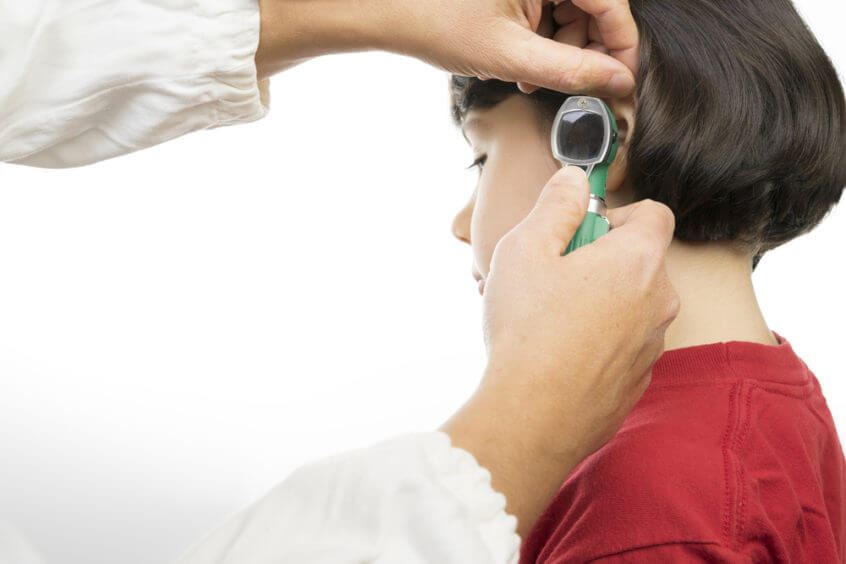
Ear infections are among the most painful, irritating conditions a person
can have – whether young or old. Although ear infections are quite
common (affecting 5 out of 6 children before they are 3 years old), this
doesn’t mean they are any easier to deal with. In most cases, ear
infections occur within the middle ear or the space behind the eardrum
where the vibrating bones are located. Medically speaking, this specific
type of ear infection is referred to as otitis media and is caused by
either a bacteria or virus. There are other types of infections that can
occur within the ear canal, but these are far less common. The most common
of these inner ear canal infections is swimmer’s ear, which gets
its name because it most commonly occurs after swimming.

What Are the Symptoms of an Ear Infection?

Ear infections are more
common among children than adults, but both groups are susceptible. If you get an ear infection as an adult,
be sure to pay close attention to your symptoms and come into our urgent
care center if you are not improving. Whereas childhood ear infections
are usually minor and clear up in a matter of days, adult ear infections
are often the sign of something more serious.

Let’s now take a look at some of the most common symptoms of the
different types of ear infections:

  • Inner Ear Infection – If you have an inner infection, it may actually
    be inflammation, not an infection. Ear pain is the most common symptom,
    but other signs to look for include:

    • Dizziness
    • Nausea
    • Vomiting
  • Middle Ear Infection – As mentioned earlier, this is the most common
    type of ear infection. In most cases, the infection occurs when fluid
    becomes trapped behind the eardrum, causing the eardrum to bulge. In addition
    to ear pain, you may experience some fluid drainage and feel as if the
    ear is ‘full’ or expanded. Other symptoms include:

    • Hearing loss
    • Pain
    • Overall ill feeling
    • Fluid behind the eardrum
  • Outer Ear Infection – The outer ear, known as the otitis externa,
    can also become infected. When this happens, many people report an itchy
    rash to start. Additional symptoms include:

    • Pain
    • Tenderness
    • Redness
    • Swelling

It is important to make a distinction between the symptoms that adults
and children experience with an ear infection. In children, the symptoms
may include:

  • Tugging at the ear
  • Lack of sleep
  • High fever
  • Irritability
  • Ear drainage
  • Restlessness
  • Lack of appetite
  • Crying at night when lying down

Treating an Ear Infection

In most cases, an ear infection will go away on its own without any treatment.
If your child is over the age of 2 and you believe he or she has an ear
infection, keep an eye on them for 72 hours. If their symptoms have not
subsided during this time, please come into Urgentology Care so one of
our experienced doctors can evaluate your child. Additionally, if the
pain is accompanied by other, more serious symptoms, please come into
our urgent care clinic. While ear infections are not contagious, they
can be extremely painful. For most people, treating an ear infection centers
around getting the pain under control. Taking an over-the-counter pain
medication such as ibuprofen or Tylenol can be very effective. If you
have questions about this or if you would like to visit one of our urgent
care doctors to discuss your or your child’s symptoms, please
contact Urgentology Care today.

Important: If you have a life-threatening emergency, please call 911 or
go to your nearest Emergency Room. Information in this site is not intended
to be used as a diagnosis for your symptoms. If you experience any of
these symptoms, please seek medical attention or visit Urgentology Care.
Pink Eye: Everything You Need to Know

Pink Eye: Everything You Need to Know

Pink eye. We’ve all heard of it, and most of us have either experienced
the unpleasant eye disease or known someone who has. Often associated
with school-aged children, pink eye occurs when the eye becomes infected
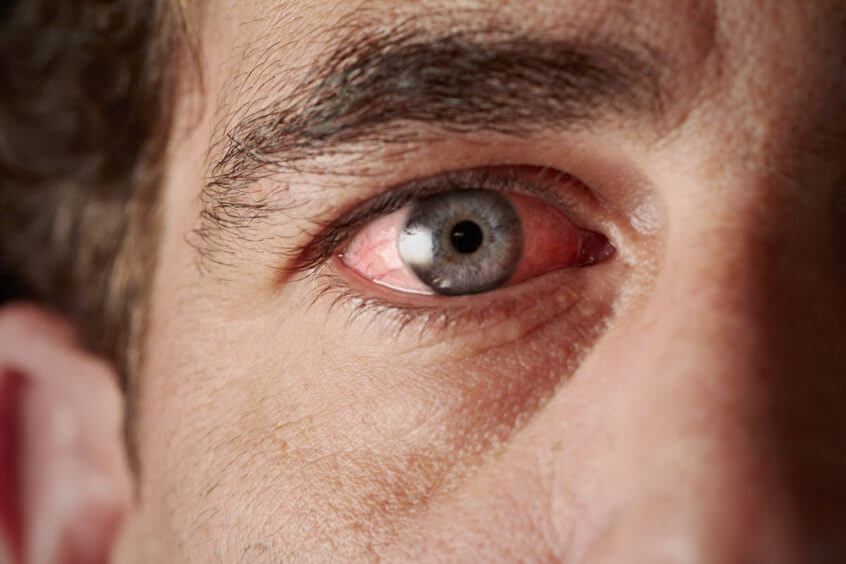
by a virus, bacteria, or an allergy. Also known as conjunctivitis, the
term pink eye is fitting because when the eyes become infected, they turn
pink and often swell as a result. The good news is that pink eye is a
very common eye problem that is easily treated, as long as you seek care
as soon as possible. Here at Urgentology Care, we treat both children
and adults for pink eye on a regular basis. We understand how frustrating
and painful this condition can be, especially for young kids who have
never experienced anything like it before. This is why we encourage you
to come into our urgent care center right away if you suspect pink eye.
The sooner we are able to treat it, the better.

What is Pink Eye?

Before we dive into the symptoms, causes, and treatment options, let’s
take a closer look at what, exactly, pink eye is. Pink eye is an inflammation
of the thin covering of the white of the eye and the inner parts of the
eyelids (conjunctiva). Even though the conjunctiva is clear, it contains
a network of blood vessels that crisscross over the sclera of the eye.
When a virus or bacteria leads to inflammation, it can cause these little
blood vessels to dilate, resulting in red, bloodshot eyes.

Pink Eye Symptoms

While anyone can get pink eye, the majority of cases involve preschoolers,
schoolchildren, college students, teachers, and daycare workers. These
groups are more at risk than others because they work closely with other
people in infection-prone settings. Washing your hands as often as possible
and avoiding touching your eyes when working with sick children is one
of the best preventative measures a person can take, but this system is
not foolproof.

Some of the most common symptoms of pink eye include:

  • Redness
  • Pink discoloration in one or both eyes
  • Irritation
  • Redness in and around the eyelid
  • A liquid discharge that can form a ‘crust’ overnight
  • Itchiness
  • Puffy, swollen eyes
  • Swollen inner lining of the eyes
  • Watery eyes
  • Excessive tearing
  • Blurred vision
  • A gritty feeling that makes you think there is something in the eye

If you or your child are experiencing any of the above symptoms, please
come into our urgent care center right away. Pink eye is extremely contagious
and the best way to avoid passing it to other family members, children,
or co-workers is by coming in for a diagnosis and proper treatment.

Common Causes of Pink Eye

There are several different causes of pink eye, including:

  • Viral conjunctivitis – This type of pink eye is caused by a virus,
    such as the common cold. While it is extremely contagious, it typically
    clears up in several days either on its own or with medical treatment.
  • Bacterial conjunctivitis – This type of pink eye can cause long-term
    damage to the eye if left untreated, which is why it is imperative you
    come into Urgentology Care right away if you suspect you have developed pink eye.
  • Allergic conjunctivitis – The final type of pink eye is caused by
    common eye irritants, including pollen, dust, and animal dander. Many
    people experience allergic conjunctivitis during specific seasons, such
    as when pollen is heavy in the air.

Treating Pink Eye

The treatment of pink eye will depend on the type of conjunctivitis you
have. As mentioned above, viral conjunctivitis usually goes away on its
own over the course of several days. While no medical treatment is required,
there are several things you can do at home to expedite the process, such
as applying a cold, wet washcloth to the eyes.

Bacterial conjunctivitis, on the other hand, requires medical attention
and a prescription for antibiotic eye drops or ointments. Again, if this type
of pink eye is left untreated, it could cause serious damage to the eyes.
Because it can be difficult to determine which type of pink eye you have,
always come into urgent care if you have any of the symptoms mentioned above.

Allergic conjunctivitis can be remedied with common allergy medications,
in most cases. If you know you are prone to developing pink eye because
of pollen or other allergens, it may help to start taking allergy medications
before allergy season starts. This is something you can discuss with your
primary care physician or with one of the experienced doctors here at
Urgentology Care.

How Urgent Care Can Help with Pink Eye

Pink eye is easy to treat, as long as you seek care and do not ignore your
symptoms. In many cases, eye infections and dry eyes are associated with
conjunctivitis, and bacterial conjunctivitis can lead to extremely serious
eye conditions, such as ulcers and even permanent vision loss. This is
why it is so important you seek care from our urgent care center at the
first sign of red or irritated eyes. If you are someone who wears contacts,
be sure to remove your contacts immediately and throw them away. Pink
eye is very contagious and can spread without the patient even realizing it.

Here at Urgentology Care, it is our desire to provide patients of all ages
with the immediate care and attention they need. If you suspect pink eye
or are unsure about your symptoms, please come into our urgent care clinic
right away. We will be able to provide you with an accurate diagnosis
and get you the treatment you need to make a full recovery. We know how
irritating pink eye can be, and we are here to help you find the relief
you need. For more information about pink eye symptoms, causes, or treatment, please
contact Urgentology Care today.

Important: If you have a life-threatening emergency, please call 911 or
go to your nearest Emergency Room. Information in this site is not intended
to be used as a diagnosis for your symptoms. If you experience any of
these symptoms, please seek medical attention or visit Urgentology Care.

Mononucleosis: Causes, Symptoms, and Treatments

Mononucleosis: Causes, Symptoms, and Treatments

Infectious mononucleosis, more commonly referred to as mono, is a common virus that is spread through saliva. Often called “the kissing disease,” mono usually affects teenagers, but anyone can get it at any age. It is caused by the Epstein-Barr virus (EBV), which is a very common virus that most people are exposed to at a young age. In some people, EBV does not display any symptoms, but this does not mean they do not carry the virus. Sometimes, a person can have the EBV virus with no symptoms but infect other people and cause them to develop mono.

What Are the Causes of Mononucleosis?

One of the main ways a person can develop mono is by kissing someone who has the EBV virus. However, this is just one of the causes. The mono virus can also be spread through the following:

  • Sharing a drink
  • A toothbrush
  • A utensil
  • Lip balm or lipstick
  • Sexual contact

The Centers for Disease Control (CDC) states that the EBV virus can be spread through both blood and semen during sexual contact. It can also transfer from person to person through a blood transfusion or organ transplant. While these circumstances are possible, the large majority of mono cases are spread through saliva.

What Are the Symptoms of Mononucleosis?

When mono is present, the individual will likely display a wide range of symptoms. The incubation period is four to six weeks and symptoms can last for one to two months, depending on the person and the severity of the condition. Some of the most common symptoms of mono include:

  • High fever
  • Sore throat
  • Swollen lymph glands in the neck and armpits
  • Headache
  • Extreme tiredness
  • Muscle weakness
  • Swollen tonsils
  • Night sweats
  • Loss of appetite
  • Sore muscles and body aches
  • Swollen spleen and/or liver (only in extreme cases)

If you have a sore throat, high fever, and are feeling very tired, please come into our Arlington urgent care to be checked out by a doctor.

How Do You Treat Mononucleosis?

Unfortunately, there is no specific medication or pill you can take to treat mono. The best way to recover from the virus is the following:

  • Get plenty of rest
  • Drink a lot of fluids
  • Eat healthy
  • Gargle with salt water
  • Drink tea with honey and lemon
  • Take ibuprofen or acetaminophen for pain and/or fever

By taking care of yourself and letting the virus work its way out of your system, you will be back to your normal self in a few weeks to a month. If you have questions about the causes, symptoms, or treatment of mono, please come into Urgentology today to meet with one of our Arlington doctors.

Important: If you have a life-threatening emergency, please call 911 or go to your nearest Emergency Room. Information in this site is not intended to be used as a diagnosis for your symptoms. If you experience any of these symptoms, please seek medical attention or visit Urgentology Care.